
- Select Chapter
- Chapter 1: Mystery of God
- Chapter 2: Embracing Dualities
- Chapter 3: Spirit of Renewal
- Chapter 4: Nature of God
- Chapter 5: The Impartial Way
- Chapter 6: The Living Spirit
- Chapter 7: Sacrificial Unity
- Chapter 8: Way of the Master Servant
- Chapter 9: Overcoming Excessiveness
- Chapter 10: The Spirit of God
- Chapter 11: Body and Spirit
- Chapter 12: Living in the Spirit
- Chapter 13: Misfortune of Ego
- Chapter 14: Presence of God
- Chapter 15: Power in Stillness
- Chapter 16: Restoration
- Chapter 17: Leading Without Praise
- Chapter 18: The Self
- Chapter 19: Living The Way of Truth
- Chapter 20: Disciple of Jesus
- Chapter 21: Temple of the Spirit
- Chapter 22: Divine Wholeness
- Chapter 23: You Reap What You Sow
- Chapter 24: The Ego
- Chapter 25: The Great
- Chapter 26: Foundation of the Son of God
- Chapter 27: Essential Wonder of God
- Chapter 28: Simplicity of the Spirit
- Chapter 29: Better Left Alone
- Chapter 30: The Fulfillment
- Chapter 31: Weapons of the World
- Chapter 32: Sovereign God
- Chapter 33: Self-Awareness
- Chapter 34: Living Water
- Chapter 35: Mystical Word of God
- Chapter 36: Order of God
- Chapter 37: Absence of Desire
- Chapter 38: The Seed of God
- Chapter 39: Humility
- Chapter 40: Cycle of Life
- Chapter 41: Mysterious Nature of God
- Chapter 42: Harmony in Unity
- Chapter 43: Presence of the Holy Spirit
- Chapter 44: Spiritual Wealth
- Chapter 45: Greatness
- Chapter 46: Contentment
- Chapter 47: Inner Wisdom
- Chapter 48: Be Still and Let God
- Chapter 49: The Good Shepherd
- Chapter 50: To Die is Gain
- Chapter 51: Mysterious Power of the Spirit
- Chapter 52: Faith
- Chapter 53: The Lost Way
- Chapter 54: Sowing Your Seed
- Chapter 55: Power of Simplicity
- Chapter 56: Oneness of God
- Chapter 57: Good Governance
- Chapter 58: Paradox
- Chapter 59: Power of the Spirit
- Chapter 60: Body of Light
- Chapter 61: Honoring the Lowly
- Chapter 62: Gift of Salvation
- Chapter 63: Achieving Greatness
- Chapter 64: Journey of Faith
- Chapter 65: Simplicity of Life
- Chapter 66: Leading From Behind
- Chapter 67: Power of Love
- Chapter 68: Humble Leadership
- Chapter 69: Compassion
- Chapter 70: Understanding God
- Chapter 71: The Wisdom of Truth
- Chapter 72: Freedom
- Chapter 73: Judgment of God
- Chapter 74: The Sovereign Judge
- Chapter 75: Materialism
- Chapter 76: A Gentle Approach
- Chapter 77: Divine Balance
- Chapter 78: Strength in Weakness
- Chapter 79: Forgiving Debt
- Chapter 80: Simple Life
- Chapter 81: True Servants of God
RESTORE
This chapter from the BFG Handbook (Christian Edition of the Tao Te Ching) presents the gospel through a new "Expression" of God’s Love to RESTORE the Truth.
Chapter 3 from the BFG Handbook presents the gospel through a new “Expression” of God’s Love to RESTORE people to the Truth.
When we stop chasing power and rare goods, the Holy Spirit clears our minds, renews our hearts with grace and teaches us to be still, and God puts everything in order.
This chapter answers 11 common questions
What does "Be still, and everything will be in order" mean?
When we stop striving in our own strength and rest in God's guidance, He brings order to our lives. "Be still before the Lord and wait patiently for him" (Psalm 37:7). The Church teaches that peace is "the tranquillity of order" (Catechism 2304).
Why is chasing power and wealth dangerous?
When power, wealth and possessions are highly esteemed, people are prone to fight for power, steal, or become consumed by them. The Church teaches, "Those who exercise authority should do so as a service" (Catechism 2235).
How does the Holy Spirit renew our hearts?
A person led by the Spirit clears their mind and renews their heart with grace, softening selfish ambitions and strengthening their core with love. St. Paul urges us to have the same mind as Christ, who humbled Himself all the way to the Cross (Philippians 2:1-8).
How can I resist temptation as a Christian?
Chapter 3 says, "The Spirit guides us away from our desires, so those who cleverly scheme have no power over us." St. Paul writes, "Clothe yourselves with the Lord Jesus Christ, and do not think about how to gratify the desires of the flesh" (Romans 13:14).
What does the Catholic Church teach about consumerism?
"The great danger in today's world, pervaded as it is by consumerism, is the desolation and anguish born of a complacent yet covetous heart" (Pope Francis, Evangelii Gaudium 2). The Holy Spirit is the One "who satisfies man's heart" (Catechism 2541).
What does "If we do not value rare goods, people will not become thieves" mean?
When we prize possessions too highly, we are tempted to take what is not ours. The Church teaches that the tenth commandment "forbids coveting the goods of another, as the root of theft, robbery, and fraud" (Catechism 2534). "A man is more precious for what he is than for what he has" (Gaudium et Spes 35).
What is envy, according to the Catholic Church?
"Envy is a capital sin. It refers to the sadness at the sight of another's goods and the immoderate desire to acquire them for oneself" (Catechism 2539). "Envy often comes from pride" (Catechism 2540). Today, help someone else succeed at something you would have liked the credit for.
What is grace?
"The grace of Christ is the gratuitous gift that God makes to us of his own life, infused by the Holy Spirit into our soul to heal it of sin and to sanctify it" (Catechism 1999). By grace the Spirit renews our hearts.
How can I tell when something is a temptation?
"Discernment unmasks the lie of temptation, whose object appears to be good, a 'delight to the eyes' and desirable, when in reality its fruit is death" (Catechism 2847). When something pressures you to act right now, pray, "Holy Spirit, show me what is true," and wait before you decide.
Why do I get distracted when I pray?
"A distraction reveals to us what we are attached to, and this humble awareness before the Lord should awaken our preferential love for him" (Catechism 2729). Write down everything crowding your mind, offer the list to the Holy Spirit, and set it aside for a few quiet moments.
How can I live Chapter 3 today?
Find one quiet place today, a parked car, a church or a bench, and sit still with God without asking for anything.
11 popular Catholic books that support Chapter 3
“Take away outward show, and what are all men after all but men?”
St. Augustine asks what any man is once outward show is taken away: simply a man. When we stop treating the powerful as more important than others, the fight for power loses its prize.
“But it is God who makes us happy, who is the true riches of minds.”
St. Augustine says it is God who makes us happy, for He is the true riches of the mind. When rare goods stop being the measure of a good life, the heart is set free.
“For I stole that, of which I had enough, and much better.”
St. Augustine confesses that as a boy he stole what he already had plenty of. Stealing grows from a grasping heart, not from need, which is why the chapter begins with what we value.

“All those things which can be thought with the heart, or spoken with the tongue, or seen with the eyes, or felt with the hands, are as nothing in comparison with those which we can neither think, nor see, nor touch.”
The Little Flowers say that everything we can see and touch is nothing compared with what we cannot see. Desirable things on display confuse our hearts about what really matters.
“Let us beware of imprudently falling a prey to those numerous disquieting reflections which, like so many tangled labyrinths, entrap the mind into useless, endless wanderings.”
De Caussade warns against restless thoughts that trap the mind like tangled mazes. The Spirit clears our minds by drawing us out of that tangle and into trust.
“Oh that Thou wouldest altogether by Thy presence, kindle, consume, and transform me into Thyself; that I may be made one spirit with Thee, by the grace of inward union, and the melting of earnest love!”
Thomas a Kempis prays that God would transform him and make him one spirit with Him by grace. This is the inner renewal the chapter says the Spirit brings.
“Ambition, what seeks it, but honours and glory? whereas Thou alone art to be honoured above all, and glorious for evermore.”
St. Augustine says ambition seeks honor and glory, though God alone deserves them. Softening our ambitions means letting go of our own glory so there is room for God and for others.
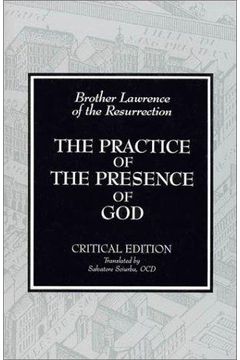
“And when one loves God, one suffers for His sake with joy and courage.”
Brother Lawrence says that one who loves God can suffer for Him with joy and courage. Love is the strength at the core of a Spirit-led life.
“It was a happy chance for this soul that on this night God should put to sleep all the domestics in its house--that is, all the faculties, passions, affections and desires which live in the soul, both sensually and spiritually.”
St. John of the Cross describes God putting to sleep the passions and desires of the soul. The Spirit quiets our desires so they no longer drive us.
“And thus, when the soul journeys in its vestment of faith, the devil can neither see it nor succeed in harming it, since it is well protected by faith--more so than by all the other virtues--against the devil, who is at once the strongest and the most cunning of enemies.”
St. John of the Cross says a soul clothed in faith is protected even from the most cunning of enemies. A heart led by the Spirit cannot be controlled by clever schemes.
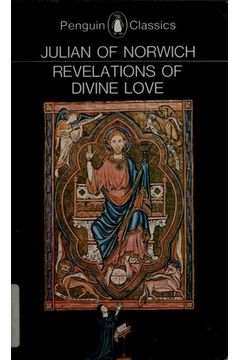
“And therefore all-thing was set in order ere anything was made, as it should stand without end; and no manner of thing shall fail of that point.”
Julian of Norwich saw that God set all things in order before anything was made, and none of it will fail. We can be still because God has already put everything in order.
The BFG Companion App meets you where you are, understands what you are facing, and guides you to the Truth with faith, clarity and renewed peace.
Open the app
Chapter 3: Spirit of Renewal
If we do not regard powerful men highly 1
People will not fight for power
If we do not value rare goods 2
People will not become thieves
If we display desirable things 3
We bring confusion to our hearts
Thus, one who the Spirit guides leads by 4
Clearing our minds
And renewing our hearts with grace
Softening our selfish ambitions 5
And strengthening our core with love
The Spirit guides us away from our desires 6
So those who cleverly scheme have no power over us
Be still 7
And everything will be in order
Power and Rare Goods
“If we do not regard powerful men highly
People will not fight for power
If we do not value rare goods
People will not become thieves”
Chapter 3 of the Christian edition of the Tao Te Ching emphasizes the transformative power of the Spirit to renew and guide the believer away from worldly temptations and desires. It opens by reflecting on the dangers of valuing power, wealth, and material possessions. When these things are highly esteemed, people are prone to fight for power, steal, or become consumed by confusion and selfishness. From a Christian perspective, this mirrors Jesus’ teaching in Matthew 5:3, where He declares, “Blessed are the poor in spirit, for theirs is the kingdom of heaven.” In this passage, Jesus calls for humility and a rejection of worldly values, which aligns with the idea that when we remove our attachment to worldly power and wealth, we cease to be driven by greed and self-interest.
Look closely at the chain in these lines: what we admire, we will fight to get. When the powerful are treated as the most important people in the room, everyone starts pushing to become one of them. Families argue over control, coworkers undercut each other, and friends quietly compete. St. James, in the passage this line points to, reminds us that God sees people very differently.
“Listen, my beloved brothers and sisters. Has not God chosen the poor in the world to be rich in faith and to be heirs of the kingdom that he has promised to those who love him?”
James 2:5NRSVue
The same is true of things. When “rare goods” become the measure of a good life, wanting turns into grasping, and grasping can turn into taking. That is not always a stolen wallet. It can be stolen credit, stolen time, or a heart that resents what others have. St. Paul warns Timothy where this leads.
“…there is great gain in godliness combined with contentment… For the love of money is a root of all kinds of evil…”
1 Timothy 6:6, 10NRSVue
Jesus does not say that power or possessions are evil in themselves. He says they must not take first place, because “life does not consist in an abundance of possessions” (Luke 12:15). A heart that does not need to be on top, or to own the rarest things, is free. And free hearts have no reason to fight or to steal.
“Those who exercise authority should do so as a service. ‘Whoever would be great among you must be your servant.’”Catechism 2235
“…forbids coveting the goods of another, as the root of theft, robbery, and fraud…”Catechism 2534
“A man is more precious for what he is than for what he has.”Second Vatican Council, Gaudium et Spes 35
The Catechism is speaking of the tenth commandment, “You shall not covet.” Like this chapter, it guards the heart before anything is ever taken.
At work, the boss gets the corner office and the best parking spot, and suddenly every meeting feels like a contest. At school, the kids with the newest shoes and phones set the rules, and everyone else tries to keep up. Online, the people with the biggest followings get treated as if they matter most. Chapter 3 sees where this goes: “If we do not regard powerful men highly, people will not fight for power.” When we stop worshiping status, the fighting loses its fuel, and we can finally see each other as brothers and sisters.
Try this today: Today, give honest praise to someone who has no power or status to offer you in return.
When Desire Clouds the Heart
“If we display desirable things
We bring confusion to our hearts”
Next the chapter looks at display. When desirable things are put in front of us again and again, our hearts get confused about what we really need and even about who we really are. Jesus saw this in people who cared most about how things looked. Their outside was polished and admired, but their inside was empty.
“Woe to you, scribes and Pharisees, hypocrites! For you are like whitewashed tombs, which outwardly appear beautiful, but within are full of dead people’s bones and all uncleanness.”
Matthew 23:27ESV
Display works in both directions. We are confused by what others show us, and we confuse ourselves by what we show them. Wanting to look successful can crowd out the slow, hidden work of becoming good. The chapter’s other verse brings hope: all creation groans as it waits for renewal, and the Holy Spirit groans with us in our weakness.
“Likewise the Spirit helps us in our weakness, for we do not know how to pray as we ought, but that very Spirit intercedes with groanings too deep for words.”
Romans 8:26NRSVue
So the answer is not to hate beautiful things or to pretend we feel no pull. It is to bring that pull to God honestly. When we pray, even when we do not know what to say, the Spirit untangles our desires, and the things on display slowly lose their power to decide what our hearts want.
“The great danger in today’s world, pervaded as it is by consumerism, is the desolation and anguish born of a complacent yet covetous heart, the feverish pursuit of frivolous pleasures, and a blunted conscience.”Pope Francis, Evangelii Gaudium 2
“Envy is a capital sin. It refers to the sadness at the sight of another’s goods and the immoderate desire to acquire them for oneself, even unjustly.”Catechism 2539
You were happy with your kitchen until you watched a home makeover video. You liked your car until a friend posted a picture of their new one. Your vacation was fine until you saw someone else’s beach photos. Nothing in your life changed, but your heart did. That is Chapter 3’s warning in action: “If we display desirable things, we bring confusion to our hearts.” Ads, feeds and highlight reels are built to stir up wanting. The Spirit is not against good things. He helps you remember that what you already have, and Who you already have, is enough.
Try this today: Mute one account today that mostly leaves you wanting more, and thank God for three things you already have.
The Spirit Who Clears and Renews
“Thus, one who the Spirit guides leads by
Clearing our minds
And renewing our hearts with grace”
The chapter then moves toward describing the guidance of the Holy Spirit. A person led by the Spirit is one who clears their mind and renews their heart with grace, softening selfish ambitions and strengthening their core with love. This echoes the apostle Paul’s teachings in Philippians 2:1-8, where he urges believers to have the same mindset as Christ: “Do nothing out of selfish ambition or vain conceit. Rather, in humility value others above yourselves.” The Spirit’s work in a believer’s life involves transforming them from the inside out, enabling them to live according to God’s will, which is grounded in selflessness, humility, and love. The transformation begins with the renewal of the heart by grace and continues in the softening of selfish desires, which is empowered by the Holy Spirit.
The word “Thus” matters. After naming the problem of power, rare goods and display, the chapter does not hand us a list of rules. It hands us a Person. A heart the Spirit guides is no longer driven by grasping and comparing. St. Paul, in the passages this line points to, calls this new freedom living under grace instead of being ruled by sin.
“For sin will have no dominion over you, since you are not under law but under grace.”
Romans 6:14ESV
The Spirit begins by “clearing our minds.” This is not emptying the mind but freeing it from the clutter of fears, cravings and noise, so it can see what is true. Paul admits how tangled a mind can get: “For what I want to do I do not do, but what I hate I do” (Romans 7:15). The Spirit does what willpower alone cannot.
Then He is “renewing our hearts with grace.” Grace is God’s own life, freely given. It does not just help us try harder; it makes us new from the inside. St. Paul describes how this new life first came to us in Baptism, as a pure gift of mercy.
“he saved us, not because of works done by us in righteousness, but according to his own mercy, by the washing of regeneration and renewal of the Holy Spirit”
Titus 3:5ESV
“The human heart is heavy and hardened. God must give man a new heart.”Catechism 1432
“The grace of Christ is the gratuitous gift that God makes to us of his own life, infused by the Holy Spirit into our soul to heal it of sin and to sanctify it.”Catechism 1999
“The first work of the grace of the Holy Spirit is conversion… Moved by grace, man turns toward God and away from sin, thus accepting forgiveness and righteousness from on high.”Catechism 1989
Your mind has too many tabs open: the email you forgot to answer, the bill due on Friday, the thing your sister said, the show you meant to finish. You try to pray and end up planning dinner. Chapter 3 says the Spirit leads by “clearing our minds and renewing our hearts with grace.” You do not have to sort out the clutter by yourself. Even a short, honest prayer gives Him room to work. Confession is a powerful place for this, where grace washes away what has piled up and gives you a fresh heart.
Try this today: Write down everything crowding your mind, offer the list to the Holy Spirit, and then set it aside for a few quiet moments.
Softened and Strengthened by Love
“Softening our selfish ambitions
And strengthening our core with love”
The Spirit’s work has two sides. First He is “softening our selfish ambitions.” The same passage in Philippians goes on into St. Paul’s great hymn about Christ, who did not grab at power but humbled Himself all the way to the Cross. Paul asks us to share that same mind.
“Let the same mind be in you that was in Christ Jesus… he humbled himself and became obedient to the point of death— even death on a cross.”
Philippians 2:5, 8NRSVue
Softening does not mean becoming weak or giving up our goals. It means our goals stop being all about us. Hard ambition pushes people aside; softened ambition makes room for them. A student can still aim high, and a worker can still want to grow, but now the aim includes others and is offered to God.
Second, the Spirit is “strengthening our core with love.” Our core is the center of who we are. When love lives there, we are steady, not because we are tough, but because we are held. Criticism, setbacks and other people’s success no longer knock us over. St. Paul prays for exactly this strength.
“I pray that, according to the riches of his glory, he may grant that you may be strengthened in your inner being with power through his Spirit and that Christ may dwell in your hearts through faith, as you are being rooted and grounded in love.”
Ephesians 3:16-17NRSVue
“The practice of all the virtues is animated and inspired by charity, which ‘binds everything together in perfect harmony’; it is the form of the virtues…”Catechism 1827
“Envy often comes from pride; the baptized person should train himself to live in humility…”Catechism 2540
Your group project has one person who wants all the credit, and some days that person is you. At work, you catch yourself hoping a coworker’s idea flops so yours looks better. In the family group chat, you want to win the argument more than you want peace. Chapter 3 says the Spirit is “softening our selfish ambitions and strengthening our core with love.” Picture a strong tree with soft leaves: firm at the center, gentle on the outside. That is what His love does in us.
Try this today: Today, help someone else succeed at something you would have liked the credit for.
Free from Clever Schemes
“The Spirit guides us away from our desires
So those who cleverly scheme have no power over us”
The Christian edition further states that the Spirit guides believers away from their desires, allowing them to avoid being controlled by schemes or manipulative influences. Romans 13:14 and Galatians 5:17 speak to the conflict between the flesh and the Spirit. Paul writes, “Clothe yourselves with the Lord Jesus Christ, and do not think about how to gratify the desires of the flesh.” The Spirit empowers believers to resist the temptations and schemes of the world, aligning their actions with God’s will instead of being driven by worldly desires.
Notice what the line does not say. It does not call every desire bad. Hunger, friendship and the wish to do well are gifts from God. The Spirit guides us away from the disordered pulls, the cravings that promise much and give little and then ask for more. St. John names the three big ones.
“for all that is in the world—the desire of the flesh, the desire of the eyes, the pride in riches—comes not from the Father but from the world.”
1 John 2:16NRSVue
Then comes the promise: “those who cleverly scheme have no power over us.” Every scheme works by hooking a desire: the fear of missing out, the hunger to be admired, the wish to get rich fast. When the Spirit loosens the hook, the scheme has nothing left to pull on. That is true of scams and manipulation, and it is true of the enemy of our souls.
“so that we would not be outwitted by Satan; for we are not ignorant of his designs.”
2 Corinthians 2:11ESV
So our protection is not being clever enough to spot every trick. It is wanting the right things. A heart that seeks God first, and runs to Him in prayer when temptation comes, is very hard to fool, because the bait no longer looks like treasure.
“The economy of law and grace turns men’s hearts away from avarice and envy. It initiates them into desire for the Sovereign Good; it instructs them in the desires of the Holy Spirit who satisfies man’s heart.”Catechism 2541
“…discernment unmasks the lie of temptation, whose object appears to be good, a ‘delight to the eyes’ and desirable, when in reality its fruit is death.”Catechism 2847
A text says your package is stuck and you just need to click a link. An ad promises you can get rich from your phone. A salesperson says the deal disappears tonight. Someone online flatters you until you trust them. Each one works by grabbing a desire: fear, greed, pride or loneliness. Chapter 3 says “The Spirit guides us away from our desires, so those who cleverly scheme have no power over us.” When your heart is at rest in God, you can slow down, see the hook and walk away.
Try this today: The next time something pressures you to act right now, pause, pray “Holy Spirit, show me what is true,” and wait before you decide.
Be Still
“Be still
And everything will be in order”
Finally, the chapter concludes with the call to “Be still, and everything will be in order.” This echoes the biblical principle of trusting in God’s sovereignty and resting in His peace. Psalm 37:7-15 advises, “Be still before the Lord and wait patiently for him,” reminding believers that when they cease striving in their own strength and rest in God’s guidance, He will bring order to their lives. This stillness is not a passive resignation but an active trust in God’s provision and timing. It is a sign of surrender to God’s plan and a reflection of the peace that comes from being aligned with His will.
The psalm behind these two words was written for people upset at watching schemers get ahead, which ties the end of the chapter to the line just before it. Stillness is how “those who cleverly scheme” lose their hold on us: we stop reacting and let God act. Jesus showed this on the stormy lake. The disciples panicked, but He spoke a word, and the wind and the waves obeyed.
“And he awoke and rebuked the wind and said to the sea, “Peace! Be still!” And the wind ceased, and there was a great calm.”
Mark 4:39ESV
Then comes the promise: “And everything will be in order.” This is God’s order, not ours: God first, people before things, love at the center. Our days may still be busy, but they are no longer upside down. Peace is what that order feels like from the inside.
“But the meek shall inherit the land and delight themselves in abundant peace.”
Psalm 37:11ESV
“Peace is ‘the tranquillity of order.’ Peace is the work of justice and the effect of charity.”Catechism 2304
“Contemplative prayer is silence, the ‘symbol of the world to come’ or ‘silent love.’”Catechism 2717
“Jesus asks for childlike abandonment to the providence of our heavenly Father who takes care of his children’s smallest needs…”Catechism 305
The phrase “the tranquillity of order” comes from St. Augustine, and it says almost exactly what this line promises.
The kids are loud, the dryer is buzzing, your phone will not stop lighting up, and you have not sat down all day. Stillness sounds impossible. But Chapter 3 does not ask for a perfect, silent house. It asks for a still heart: “Be still, and everything will be in order.” It might be a quiet moment in the car before you walk inside, a visit to a church on your lunch break, or a slow breath before you answer an angry message. In those small moments, God puts things back in order.
Try this today: Find one quiet place today, a parked car, a church or a bench, and sit still with God without asking for anything.
Living the Chapter
The whole chapter, put into practice
In conclusion, Chapter 3 of the Christian edition of the Tao Te Ching calls believers to reject the pursuit of power and material wealth, to embrace the transformative guidance of the Holy Spirit, and to trust in God’s sovereignty through stillness and humility. It reminds us that true renewal and peace come when we align our hearts with the Spirit’s work, softening our desires and seeking God’s will above all else.
Living this chapter is less about one big decision and more about small daily turns. Each time we catch ourselves admiring status, craving what is on display or plotting to get ahead, we can turn back and ask the Spirit to do what we cannot do alone: clear our minds, renew our hearts with grace, soften our selfish ambitions and strengthen our core with love.
Over time we live more and more from that renewed heart. Clever schemes lose their grip because our desires are being set right. And we come back, again and again, to the simplest instruction in the chapter: “Be still, and everything will be in order.” Stillness before God is where renewal keeps happening, one day at a time.
“Peace I leave with you; my peace I give to you. Not as the world gives do I give to you. Let not your hearts be troubled, neither let them be afraid.”
John 14:27ESV
“Jesus enjoins his disciples to prefer him to everything and everyone…”Catechism 2544
“…a distraction reveals to us what we are attached to, and this humble awareness before the Lord should awaken our preferential love for him and lead us resolutely to offer him our heart to be purified.”Catechism 2729
A neighbor just lost a job and is struggling to keep up appearances. A friend is buried in debt from trying to keep up with everyone else. A teenager in your life feels worthless because they do not have what others have. You cannot fix all of it, but you can bring Chapter 3 into the room. Be the calm one. Admire people for who they are, not what they own. Share what you have without making a show of it. Invite them to be still with you, even for a moment. Renewal spreads that way, one quiet heart at a time.
Try this today: Invite one stressed friend for a walk or a coffee this week, and listen more than you talk.
RENEWAL
The Trinitarian M.A.P. is the method for RENEWAL, where God’s Love shapes our MINDSET, Trust in the Son directs our AIM, and Faith in the Holy Spirit guides our PRACTICE.
This chapter offers a new “Method” for the New Evangelization to RENEW our hearts and minds through the Trinitarian M.A.P. Bring this chapter into your day with the BFG Companion App. Pick Chapter 3 and an area of your life, and get Guidance made for you.
Renewal starts with what we admire. Chapter 3 opens, “If we do not regard powerful men highly, people will not fight for power.” So much of our stress comes from looking up to whoever has the title, the money or the followers, and then pushing to get there ourselves. God’s love sets a different scale. St. James says God has “chosen those who are poor in the eyes of the world to be rich in faith” (James 2:5). You do not have to climb over anyone to matter. The Father already loves you completely.
The chapter goes on: “If we do not value rare goods, people will not become thieves.” When we prize what is scarce and costly, wanting it can quietly turn into taking it: cutting corners, envying a friend, or stealing time from the people we love. Jesus points our hearts to a safer treasure, in heaven, “where thieves do not break in and steal” (Matthew 6:20). A mind shaped by the Father’s love can enjoy good things without being owned by them, because it already has what it needs most.
Try this: When you notice yourself wanting what someone else has today, stop and pray: “Father, Your love is enough for me.”
James 2:5NRSVue “Listen, my beloved brothers and sisters. Has not God chosen the poor in the world to be rich in faith and to be heirs of the kingdom that he has promised to those who love him?”
Matthew 6:19-21NRSVue “Do not store up for yourselves treasures on earth, where moth and rust consume and where thieves break in and steal, but store up for yourselves treasures in heaven, where neither moth nor rust consumes and where thieves do not break in and steal. For where your treasure is, there your heart will be also.”
More Scripture: Matthew 5:3 · Hebrews 13:5
A renewed mind needs a new aim, and Chapter 3 names what has to change: the Spirit leads by “softening our selfish ambitions.” St. Paul gives us Jesus as the pattern: “Do nothing from selfish ambition or empty conceit, but in humility regard others as better than yourselves” (Philippians 2:3, NRSVue). The Son of God had every right to power, yet He chose the towel and the Cross. So we aim where He aimed. Ambition is not bad in itself, but in Christ the question turns from “How do I get ahead?” to “How can I serve?”
The chapter warns, “If we display desirable things, we bring confusion to our hearts.” Jesus saw this in people who polished the outside and neglected the inside, like “whitewashed tombs, which look beautiful on the outside” (Matthew 23:27). When our aim is to look impressive, we lose track of who we are. When our aim is Christ, the show loses its pull, and so do the people who try to use it on us. As the chapter promises, “those who cleverly scheme have no power over us.”
Try this: Before you post, buy or speak to impress someone today, ask Jesus: “Is this for You, or for me?”
Philippians 2:3-4NRSVue “Do nothing from selfish ambition or empty conceit, but in humility regard others as better than yourselves. Let each of you look not to your own interests but to the interests of others.”
Matthew 20:26-28NRSVue “…but whoever wishes to be great among you must be your servant, and whoever wishes to be first among you must be your slave, just as the Son of Man came not to be served but to serve and to give his life a ransom for many.”
More Scripture: Matthew 23:27 · James 4:10
Renewal becomes real in how we live each day, and Chapter 3 says plainly who does the work: “one who the Spirit guides leads by clearing our minds and renewing our hearts with grace.” We cannot think our way into a new heart. The Holy Spirit gives it, as God promised: “I will give you a new heart and put a new spirit in you” (Ezekiel 36:26). Our part is to make room for Him: fewer tabs open in our heads, the phone set down, a short prayer before the day begins.
Then the chapter ends with two words and a promise: “Be still, and everything will be in order.” Stillness is not doing nothing. It is letting the Spirit settle what our rushing stirs up. The psalm behind this line says, “Be still before the LORD and wait patiently for him; do not fret when people succeed in their ways” (Psalm 37:7). When we stop fretting over who is ahead, the Spirit puts our hearts back in order, and love grows strong at our core.
Try this: Once today, stop what you are doing, breathe slowly, and pray: “Holy Spirit, clear my mind and still my heart.”
Ezekiel 36:26NRSVue “A new heart I will give you, and a new spirit I will put within you, and I will remove from your body the heart of stone and give you a heart of flesh.”
Psalm 46:10NRSVue “Be still, and know that I am God!…”
More Scripture: Romans 12:2 · Exodus 14:14
In short: think humbly, aim at what is eternal, live by the Spirit. Let the Father’s love free you from chasing power and rare goods, aim at the Son who softens selfish ambition into service, and let the Holy Spirit clear your mind, renew your heart and teach you to be still.
RESPOND
Renewal brings the transformation of our spirit with ardor, empowering us to RESPOND to the call of holiness and make disciples of all nations. This encourages meaningful dialogue to embrace shared truths that transcend cultural and religious boundaries.
Renewal does not stay inside us. When the Spirit clears a mind and renews a heart, He sends that person out. Chapter 3 shows what we carry: a heart no longer ruled by power or “rare goods,” and a stillness the world cannot sell. The people around us are worn out from chasing more and fighting to stay on top. A heart the Spirit has stilled may be the most convincing thing they ever see.
In 1983, Saint John Paul II called the Church to an evangelization that is “new in its ardor, new in its methods, new in its expression.” The Gospel never changes. The way we carry it must be alive for our time. Chapter 3 shows why: a world that keeps displaying desirable things needs fresh words that point to the Spirit who clears minds and renews hearts.
Ardor is the fire of a heart that has been loved by God. People feel it before they hear a single word. Chapter 3 says the Spirit is “renewing our hearts with grace” and “strengthening our core with love.” The fire for mission is not hype; it is love burning steadily at the core.
Use the words people use today: simple, honest and personal. Share your story, not a lecture. Chapter 3 warns that displaying desirable things brings “confusion to our hearts,” so let your witness be simple and real, never a show.
Meet people where they are: on the phone in their hand. The BFG Handbook and the BFG Companion turn one conversation into a path to Christ and His Church. Chapter 3 says the Spirit is the One “clearing our minds.” Our tools are meant to make quiet room for Him, not to add more noise.
Use the words people use today: simple, honest and personal. Share your story, not a lecture. Chapter 3 warns that displaying desirable things brings “confusion to our hearts,” so let your witness be simple and real, never a show.
What my life was like before I really met Jesus.
How He met me, and the moment things began to change.
What is different now, and the hope I carry. Like the chapter’s “Be still,” when did a quiet moment with God bring order to something that felt out of control?
Meet people where they are: on the phone in their hand. The BFG Handbook and the BFG Companion turn one conversation into a path to Christ and His Church. Chapter 3 says the Spirit is the One “clearing our minds.” Our tools are meant to make quiet room for Him, not to add more noise.
Every chapter has its own song and is written in a language people of every faith can understand. A doorway for dialogue. Chapter 3, Spirit of Renewal, helps anyone worn out from chasing status or things, or anyone whose mind will not slow down.
A friend shares a struggle. Together, pick a chapter and an area of life (start with Chapter 3 when someone feels pressure to get ahead, keeps wanting more, or cannot quiet their mind). In seconds: a reflection, the M.A.P., a saint, a prayer, Scripture, a song and a church nearby. Send it by email, PDF or a share link.
Hard question? Ask it together. Answers are grounded in Catholic teaching, the saints and the BFG Handbook. Talk or type. Try asking together: “How can I enjoy good things without letting them run my life?”
Pray the Rosary with a guided voice, the daily mysteries and beads that follow along. Pray it with someone, even over the phone. Praying the beads slowly is a simple way to live Chapter 3’s “Be still” and let the Spirit clear the mind.
Catholic churches near anyone, with Mass and Confession times, directions, and one tap to add a time to the calendar. Every conversation can end at a church door. Before the tabernacle, many people find the stillness Chapter 3 describes, where “everything will be in order.”
Morning, midday and evening prayer reminders, a daily streak and a steady prayer rhythm help a new believer keep going. A short pause that answers the chapter’s call: “Be still.”
Free to start, no card needed. Read aloud in 48 languages.
One tool that walks with a person from the first question to the church door.
Jesus sent His apostles first to Jerusalem, then to Judea and Samaria, then to the ends of the earth (Acts 1:8). Start where you are. Chapter 3 says the Spirit is “renewing our hearts with grace,” so start with the people already close to you, where a changed heart is easiest to see.
- Pray the Rosary together on Pray My Rosary.
- Bless your children at bedtime.
- Share a Guidance with a spouse or child who is struggling.
- Find Sunday Mass times together with Church Finder.
- Read Chapter 3 at dinner and ask: “What did we want most today, and did it bring us peace?”
- Text a verse from your Guidance.
- Ask, “How can I pray for you?” and pray right then.
- Invite a friend to Mass, then go for coffee.
- Send the line: “Be still, and everything will be in order.”
- Be the calm, kind one.
- Pray on your lunch break with a reminder.
- Start a small chapter group that meets once a week. Begin with Chapter 3, Spirit of Renewal.
- Respect the rules: invite, never push.
- Listen for the moment: “Things have been hard.”
- Offer: “Can I send you something that helped me?”
- Share the Chapter 3 song.
- Ask good questions and really listen.
- Share your three-part story.
- Open Ask BFG together when a question comes up.
- When a friend is crushed by comparison at work or school, share “If we do not regard powerful men highly, people will not fight for power,” and remind them God already values them.
- Visit the sick, the elderly and the lonely; pray the Rosary with them.
- Serve at a food bank.
- Welcome newcomers at Mass.
- Join your parish evangelization team.
- Ask shops, cafés and offices to display a BFG card with a QR code.
- Offer a short lunch talk on faith at work.
- Business owners: offer the Companion to staff as a free gift, never a requirement.
- Go where people already gather, and be the friendly one who listens.
- Pray quietly for the people around you.
- When a talk turns real, share a Guidance or the chapter song.
- Wear or carry a simple sign of your faith, like a cross or a rosary, that can start a conversation.
- At the gym, where everyone is measuring themselves, share that Chapter 3 says the Spirit is “strengthening our core with love,” the kind of strength that lasts.
- Host a Chapter 3 “Spirit of Renewal” night, a Handbook chapter night, a Rosary night or an “Ask Anything” faith night.
- Show the Companion on a big screen and let people try it.
- We did this at our free conference, The New Evangelization in the Age of AI, at Christ Cathedral.
- Share a Guidance, a chapter song or a Scripture card. Try: “Be still, and everything will be in order.”
- One post can reach someone you will never meet.
- Join a parish or diocese mission trip.
- The Companion speaks 48 languages, so you leave behind something that keeps speaking after you go home.
- Every culture knows the pull of power and possessions, so Chapter 3’s call to let go and be still opens doors everywhere to the Spirit who renews.
- Your parish ministries, the Legion of Mary, the Society of St. Vincent de Paul, Catholic Charities, prison, hospital and campus ministries, and mission groups.
- Bring the BFG tools to their work.
Chapter 3 says chasing power and rare goods confuses the heart, but the Spirit renews it in stillness. Many traditions warn against greed and praise a quiet heart. That shared truth is a gentle place to begin.
Saint Paul writes that “there is great gain in godliness combined with contentment.” God saves us by His mercy, through the washing of rebirth and the renewal of the Holy Spirit.
Many people with no religion notice that buying more never quite fills the emptiness inside. Pope Francis warns that a covetous heart leaves us anxious and restless. Blaise Pascal believed that only God can fill that endless longing.
Orthodox Christians pray the Jesus Prayer in stillness, a tradition called hesychia. Protestants sing, “Be still, my soul: the Lord is on thy side.”
Pirkei Avot asks, “Who is rich?” and answers: the one who is happy with his portion. Each Shabbat, Jews stop working and buying, and rest in God.
The Qur’an warns that the race for more distracts people until they reach the grave. It also says that in the remembrance of God, hearts find rest.
Krishna teaches that dwelling on things breeds desire, desire breeds anger, and anger clouds the mind. Peace comes to the one who stays calm like the ocean, though rivers of desire pour in.
The Buddha taught that grief and fear spring from craving, and that one who is free of craving is free of them. Christians and Buddhists share this call to an uncluttered heart.
Sikh teaching names five “thieves” of the soul: lust, anger, greed, attachment and pride. Remembering God’s Name, Naam Japna, guards the heart against them.
Jains take the vow of aparigraha, non-possessiveness, because craving and attachment weigh down the soul. Monks own almost nothing, and lay Jains set limits on what they keep. Christians, too, find that letting go of craving frees the heart for renewal.
Not prizing rare goods keeps people from becoming thieves. Not showing what stirs desire keeps their minds from disorder. So the wise ruler empties hearts of scheming and strengthens what is solid within.
Confucius said the mind of the noble person is set on what is right, while the mind of the small person is set on profit.
Shinto prizes a pure, bright and sincere heart, called makoto. Through harae, rites of purification, people clear away what clouds the heart before approaching the kami. Christians share this longing for a heart washed clean and made new.
The first counsel in Bahá’u’lláh’s Hidden Words is to possess “a pure, kindly and radiant heart.” Bahá’ís speak of detachment: loving God more than anything the world can offer.
Zoroastrians strive to live by asha, truth and right order, through good thoughts, good words and good deeds. Their tradition names greed, Az, as an enemy of the soul. A heart set right helps bring the world back into order.
Among the Kwakwaka’wakw and other Pacific Northwest peoples, the potlatch honors a family by giving goods away, not by storing them up. Pope Francis wrote that for Indigenous peoples, land is not a commodity but a gift from God.
Many African peoples measure wealth in people more than in things: a family shares its food with guests and neighbors. Saint John Paul II praised Africa’s deep sense of family and hospitality. Open hands leave room for God to renew the heart.
About 1.4 billion Catholics in every nation, united with the Pope and the bishops, celebrating the seven sacraments with the Eucharist at the center.
The Catholic Church holds the fullness of the means of salvation that Christ gave (Catechism 816; Unitatis Redintegratio 3). Jesus sends us to all nations (Matthew 28:19), so we enter every conversation as witnesses, not debaters: we bring a Person, not just ideas.
Know your own faith first. Read the chapter, pray with its Scripture, and receive the sacraments. The best common language begins with a heart that has met Jesus.
- Wanting good things is not wrong. The trouble starts when things take God’s place in my heart.
- Comparing myself with others steals my peace. The Holy Spirit helps me see that what I have, and Who I have, is enough.
- I cannot clean up my heart by willpower alone, but grace can make it new.
- Being still is not doing nothing. It is letting God put my life back in order.
- A person is worth more for who they are than for what they own.
Saint Paul writes that “there is great gain in godliness combined with contentment.” God saves us by His mercy, through the washing of rebirth and the renewal of the Holy Spirit.
- OpenWhat helps you feel content with what you already have?
- ListenAsk the Holy Spirit to quiet your own heart first. Then listen for what the other person is chasing or worried about: money, status, image or approval. Craving often hides a deeper hunger for love and peace.
- ShareShare that God does not ask us to hate good things. He asks for first place. When we stop chasing status and rare goods, the Spirit clears our minds, renews our hearts with grace and teaches us to be still.
- Point to JesusJesus owned almost nothing and had nowhere to lay His head (Matthew 8:20), yet He was the freest man who ever lived. He gives a peace the world cannot give (John 14:27) and sends the Spirit to make us new.
- InviteInvite a friend to Confession or to a quiet half hour of Eucharistic Adoration. Or fast together from one source of wanting, such as shopping or social media, for a week and pray for each other.
Is it a sin to be rich?
No. Wealth is not evil, but it must never take first place. Jesus warns that life does not consist in possessions (Luke 12:15), and riches are given to be shared (1 Timothy 6:17-18; Catechism 2404).
What is wrong with wanting nice things?
Desire itself is a gift. The tenth commandment forbids greed and the urge to amass goods without limit (Catechism 2536). The Spirit teaches us to want rightly, with God first (Catechism 2541).
Why does envy feel so natural?
Because concupiscence, the pull toward disordered desire, remains after sin (Catechism 2515). Envy is a capital sin, but humility and rejoicing in others’ good heal it (Catechism 2539-2540).
How does the Holy Spirit renew my heart?
Through grace, God’s own life poured into us, first in Baptism (Titus 3:5; Catechism 1999). He keeps renewing us through prayer, the sacraments and love, bearing His fruit in us (Galatians 5:22-23).
What does “poor in spirit” mean?
A heart that does not cling to things or status, and depends on God for everything (Matthew 5:3). Jesus asks His disciples to prefer Him to everything and everyone (Catechism 2544, 2546).
Can Confession really give me a fresh start?
Yes. The human heart is heavy and hardened, and God must give a new heart (Catechism 1432; Ezekiel 36:26). In Confession, Christ forgives and restores us through His Church (John 20:22-23; Catechism 1446).
How do I stop comparing myself with others?
Notice when it starts, and thank God for what you already have. Paul learned to be content in every situation through Christ who strengthened him (Philippians 4:11-13). Humility heals envy (Catechism 2540).
Why does God let schemers get ahead?
Psalm 37 was written for exactly that worry: be still before the Lord and do not fret. Their success is short, and God is just (Psalm 37:7-11; Catechism 305).
How can I be still when life is so busy?
Stillness is first a quiet heart, not a silent house. Even a few minutes of prayer lets God put things in order (Psalm 46:10; Catechism 2717, 2729).
Isn’t ambition good?
Aiming high is good when the goal includes others and is offered to God. Paul asks us to do nothing from selfish ambition, and to share Christ’s humble mind (Philippians 2:3-8; Catechism 2540).
How do I protect myself from scams and manipulation?
Every scheme works by hooking a desire. When the Spirit sets our desires right, the bait loses its pull. Discernment unmasks the lie of temptation (Catechism 2847; 2 Corinthians 2:11).
- Thank God daily for three things you already have.
- Praise people for who they are, not what they own.
- Give something away quietly this week.
- Treating wealth or beauty as evil in themselves.
- Lecturing others about greed while ignoring your own wants.
- Matthew 5:3Blessed are the poor in spirit, for theirs is the kingdom of heaven.
- Matthew 6:19-21Store up treasure in heaven, for where your treasure is, your heart is.
- 1 Timothy 6:6-10Godliness with contentment is great gain; love of money is a root of evil.
- Titus 3:5God saves us by mercy, through rebirth and renewal by the Holy Spirit.
- Psalm 37:7Be still before the Lord and wait patiently for Him.
- Catechism 2536The tenth commandment forbids greed and amassing goods without limit.
- Catechism 2541Grace turns hearts from avarice and envy toward the Sovereign Good.
- Catechism 2544Jesus asks His disciples to prefer Him to everything and everyone.
- Catechism 1999Grace is God’s own life, given by the Spirit to heal and sanctify.
- Gaudium et Spes 35A person is worth more for what he is than for what he has.
About 1.9 billion people who belong to no religion: atheists, agnostics, and many “spiritual but not religious” people who pray, meditate or search for meaning on their own. Most are our own friends, coworkers and family.
The desire for God is written in every human heart (Catechism 27). The Church respects sincere seekers and non-believers and wants to talk with them (Gaudium et Spes 19-21); Pope Benedict XVI began the “Courtyard of the Gentiles” for this. The Church grows by attraction, not by pressure (Evangelii Gaudium 14).
Be a real friend, welcome every question, share your story honestly, and invite them to “come and see” (John 1:39).
- Have you ever bought something you really wanted and felt let down a week later? Me too. I think that tells us something.
- I am not asking you to believe anything yet. I just think our restlessness is pointing somewhere.
- For me, faith is not more rules. It is a quieter heart and a reason to stop comparing.
- Scrolling makes me want things I did not even know about this morning. Do you feel that too?
- I find stillness helps more than shopping. Would you want to try ten quiet minutes with me?
Many people with no religion notice that buying more never quite fills the emptiness inside. Pope Francis warns that a covetous heart leaves us anxious and restless. Blaise Pascal believed that only God can fill that endless longing.
- OpenHave you noticed that getting more never quite satisfies?
- ListenAsk what they are tired of chasing, and what they think would finally be enough. Listen without fixing. Take their doubts seriously; honest questions are often the start of a search for God (Catechism 30).
- ShareShare honestly what craving has done in your own life and how faith has given you peace. Tell them that for you, letting go was easier once you found Someone better to hold onto (Philippians 3:8).
- Point to JesusShare that Jesus owned almost nothing, yet people found in Him a peace they could not buy (John 14:27). He invites the weary to rest in Him (Matthew 11:28). For you, He is the “more” your heart was looking for.
- InviteInvite them to sit with you in a quiet church for ten minutes, no strings attached. Or invite them to a digital fast together for a day, and talk afterward about what you both noticed.
Why would I need God to be content?
You can find some peace by simplifying. But the Church believes our deepest longing is for the infinite, which no thing can fill (Catechism 27, 1718). Augustine said our hearts are restless until they rest in God.
Isn’t religion just another thing people cling to?
It can be, if it is only rules or image. Jesus criticized religious display (Matthew 6:1-6). Real faith is a relationship that frees the heart (Galatians 5:1; Catechism 1741).
Can’t I be a good person without God?
Many people without faith do good, and conscience speaks in every heart (Gaudium et Spes 16). Christians believe that God is the source of that goodness and that grace heals what we cannot fix alone (Catechism 1999).
What is the Holy Spirit?
Christians believe the Spirit is God Himself, present in the heart, quietly renewing it with love, joy and peace (Galatians 5:22-23; Catechism 733).
Why do so many Christians seem greedy?
Some are, sadly, and that is a real scandal. Jesus warned His own followers that no one can serve God and wealth (Matthew 6:24). The Church calls herself always in need of purification (Catechism 827).
Is it wrong to enjoy nice things?
No. God made the world good (Genesis 1:31). The trouble is when things take first place and we can never have enough (Catechism 2536, 2541).
How do I stop comparing myself to others online?
Notice it, mute what feeds it, and practice gratitude for what you already have. Envy shrinks when we thank God for others’ good (Catechism 2540; 1 Thessalonians 5:18).
How can I know God is real?
Start with what you already experience: wonder, beauty, conscience and longing. The Church sees these as ways toward God (Catechism 31-33). Then try praying honestly, even with doubts.
What would being still with God look like?
Sitting quietly, breathing, and simply saying, “If You are there, show me.” Prayer can be a wordless, loving look (Catechism 2715; Psalm 46:10).
Doesn’t faith take away freedom?
Faith frees us from being pushed around by every craving and ad. Truth sets us free (John 8:32; Catechism 1733).
- Share your own struggles honestly.
- Listen more than you speak.
- Invite, never pressure.
- Treating skeptics as enemies.
- Answering questions they have not asked.
- Ecclesiastes 5:10Whoever loves money will never be satisfied with money.
- Matthew 11:28-29Come to Jesus, all who are weary, and find rest.
- Luke 12:15Life does not consist in an abundance of possessions.
- John 14:27Jesus gives a peace the world cannot give.
- Catechism 27The desire for God is written in the human heart.
- Catechism 33Our longing for the infinite and for happiness points to God.
- Catechism 1723True happiness is found not in riches but in God alone.
- Catechism 2541Grace turns hearts from avarice and envy toward the Sovereign Good.
- Gaudium et Spes 19Our dignity rests on our call to communion with God.
- Evangelii Gaudium 2A covetous, consumer heart brings desolation and anguish.
About a billion Christians who are not Catholic: some 260 million Orthodox (Eastern Europe, the Middle East, Africa) and hundreds of millions of Protestants, Anglicans, Evangelicals and Pentecostals. All confess Jesus as Lord and Savior and read the same Bible.
Everyone validly baptized belongs to Christ and is our brother or sister, in a real though imperfect communion with the Catholic Church (Unitatis Redintegratio 3; Catechism 838). The Orthodox share true sacraments and bishops in apostolic succession, so close that full unity lacks little. Jesus prayed that all His followers may be one (John 17:21).
Pray together (the Week of Prayer for Christian Unity, January 18-25), read Scripture together, and serve the poor together. The Church calls this “spiritual ecumenism” (Unitatis Redintegratio 8).
- We both pray, “Lead us not into temptation.” Which temptations are hardest for you right now?
- Your tradition’s love of simple living speaks to me. I want my heart to be less cluttered too.
- Paul says godliness with contentment is great gain. That verse belongs to all of us.
- The same Holy Spirit renews all who belong to Christ. I would love to pray with you for that.
- What hymn helps you be still when life gets loud?
Orthodox Christians pray the Jesus Prayer in stillness, a tradition called hesychia. Protestants sing, “Be still, my soul: the Lord is on thy side.”
- OpenWhere do you go to be still with God?
- ListenAsk what helps them resist the pull of money, image and comparison. Listen for their favorite verses and hymns about contentment and the Spirit. Treasure what you share: one Lord, one Bible, one Baptism.
- ShareShare how Catholics fight craving with fasting, almsgiving and prayer, especially in Lent (Matthew 6:1-18). Tell them how Confession and Adoration help you be still and let the Spirit renew your heart.
- Point to JesusTogether we look to Jesus, who emptied Himself and became obedient to the point of death (Philippians 2:5-8). Our shared hope is not a cleaner life by willpower, but His Spirit making us new (2 Corinthians 5:17).
- InviteInvite them to a shared Bible study on 1 Timothy 6 or Philippians 2, to a joint service project, or to an ecumenical prayer service during the Week of Prayer for Christian Unity in January.
Do Catholics believe we are renewed by grace or by works?
By grace. God saves us by His mercy, through the washing of rebirth and renewal of the Holy Spirit (Titus 3:5; Catechism 1996). Good works are the fruit of that grace, never its price (Catechism 2008).
Why do Catholics fast and give things up for Lent?
To loosen the grip of craving and make room for God, as Jesus taught about fasting in secret (Matthew 6:16-18). Fasting, prayer and almsgiving express conversion of heart (Catechism 1434, 1438).
Why are Catholic churches so ornate if we should not prize rare goods?
Beauty given to God is not greed. Mary’s costly ointment for Jesus was praised as a beautiful thing (Mark 14:3-9). Sacred art lifts hearts toward God (Catechism 2502-2503).
Isn’t the Prosperity Gospel biblical?
Scripture warns that those who want to be rich fall into temptation (1 Timothy 6:9). God blesses His children, but the Beatitudes call the poor in spirit blessed (Matthew 5:3; Catechism 2546).
Why do Catholics confess to a priest?
Jesus gave the apostles power to forgive sins (John 20:22-23). Confession is a place where the Spirit renews a heart weighed down by sin (Catechism 1441-1442, 1468).
What is Eucharistic Adoration?
Silent prayer before Jesus truly present in the Eucharist (Catechism 1378, 1418). Many Catholics find it the best place to be still and let God order their hearts.
Why do monks and nuns take a vow of poverty?
To follow Jesus closely, as He told the rich young man to give all and follow Him (Mark 10:21). Their poverty reminds all Christians where true treasure lies (Catechism 915).
Do Catholics believe in being filled with the Spirit?
Yes. The Spirit is given in Baptism and Confirmation, and we keep asking for His fresh outpouring (Acts 2:4; Catechism 1302-1303). Many Catholics are part of charismatic renewal.
Can we pray together even though we disagree on some things?
Yes. All the baptized share a real, though imperfect, communion, and prayer for unity is the soul of ecumenism (Unitatis Redintegratio 3, 8; John 17:21).
How do Catholics handle envy and comparison?
By naming envy honestly and practicing humility, gratitude and rejoicing in others’ good (Romans 12:15; Catechism 2539-2540).
- Pray the Lord’s Prayer together.
- Share hymns and verses about contentment and the Spirit.
- Serve the poor side by side.
- Arguing about wealth in each other’s churches.
- Treating disagreements as proof the other lacks the Spirit.
- Philippians 2:5-8Have the same mind as Christ, who humbled Himself to the cross.
- 1 Timothy 6:6-10Godliness with contentment is great gain; love of money is a root of evil.
- Galatians 5:22-23The fruit of the Spirit is love, joy, peace and self-control.
- John 17:21Jesus prays that all His disciples may be one.
- Catechism 1996Our justification comes from the grace of God, a free gift.
- Catechism 1999Grace is God’s own life, given by the Spirit to heal and sanctify.
- Catechism 2541Grace turns hearts from avarice and envy toward the Sovereign Good.
- Catechism 838The Church is joined to all the baptized who bear the name of Christian.
- Unitatis Redintegratio 8Prayer for unity is the soul of the whole ecumenical movement.
About 15 million Jews, most in Israel and the United States. Judaism is the faith of Abraham, Moses and the prophets, lived through the Torah, prayer, the Sabbath, the festivals and family life. Jesus, Mary and the apostles were Jews.
Judaism is unlike any other religion for us: it is already a response to God’s revelation in the Old Covenant (Catechism 839). The Church is spiritually bound to the Jewish people, condemns every form of antisemitism, and teaches that God’s gifts and calling are irrevocable (Nostra Aetate 4; Romans 11:29). Saint John Paul II called the Jewish people our “elder brothers.”
The Church does not run organized missions aimed at Jews, yet every Christian may bear humble, joyful witness to Jesus (Vatican Commission for Religious Relations with the Jews, 2015). Friendship, shared study of the Psalms, and remembering together are the path.
- Pirkei Avot says the rich person is the one happy with his portion. I keep trying to learn that.
- Your Shabbat teaches me something. One day a week without buying or striving sounds like real freedom.
- We share the same tenth commandment: do not covet. It is the hardest one for me.
- Psalm 37 tells us to be still before the Lord. It is one of my favorite psalms too.
- I love Ezekiel’s promise of a new heart. How do you understand it?
Pirkei Avot asks, “Who is rich?” and answers: the one who is happy with his portion. Each Shabbat, Jews stop working and buying, and rest in God.
- OpenHow does Shabbat help quiet the wants of your heart?
- ListenAsk how Shabbat changes their week, and what they give up to keep it. Ask about teshuvah during the High Holy Days. Listen for the deep Jewish wisdom about desire, rest and gratitude.
- ShareShare that your faith grows from the same roots: the Ten Commandments, the Psalms and the Prophets (Romans 11:17-18). Tell them how Sunday rest and Lent help you loosen the grip of wanting more.
- Point to JesusShare gently that Jesus, a Jew who prayed the Psalms, taught that where our treasure is, our heart is (Matthew 6:21). For you, He is the One through whom God gives the new heart Ezekiel promised.
- InviteInvite them to read Psalm 37 or Ezekiel 36 together and share what each of you hears. Or ask if you may learn how their family welcomes Shabbat, and share how you keep Sunday.
Do Christians still keep the Ten Commandments?
Yes. Jesus said He came not to abolish the Law but to fulfill it (Matthew 5:17). The Church teaches all ten, including the tenth, against coveting (Catechism 2052-2053, 2534).
Why do Christians rest on Sunday instead of Shabbat?
Sunday is the day Jesus rose from the dead, so for us it fulfills the Sabbath’s rest and joy (Catechism 2175). We still honor the Sabbath as God’s gift to Israel (Catechism 2168-2172).
Do Christians believe in the yetzer hara?
In our own words, yes. We call the inner pull toward disordered desire concupiscence (Catechism 2515). Paul admits he does what he does not want to do (Romans 7:15-25), and grace helps us win.
What do Christians mean by the Holy Spirit?
The same Spirit of God who hovered over the waters and spoke through the prophets (Genesis 1:2; Catechism 243). We believe He is God, renewing hearts from within (Catechism 685).
Isn’t Judaism about deeds and Christianity only about faith?
Both matter for us too. Faith without works is dead (James 2:17). Grace renews the heart, and a renewed heart acts with justice and mercy (Micah 6:8; Catechism 1814-1815).
Do Christians want Jews to convert?
The Church loves the Jewish people, whose covenant God has never revoked (Romans 11:29; Catechism 839). It does not run missions targeting Jews, but Christians may gladly share their faith in Jesus as friends.
How do Christians do teshuvah?
Through conversion of heart, prayer and Confession, especially in Lent (Catechism 1430-1431). Like you, we trust God to be gracious and merciful (Joel 2:13).
What do Christians think of the Pharisees?
Many Pharisees were devout men, and Jesus shared much of their teaching. His warnings about outward display apply to every believer, Christians first (Matthew 23:27-28; Catechism 575).
Why do Christians say God gives a new heart through Jesus?
We believe Jesus sends the Spirit Ezekiel promised (Ezekiel 36:26; John 14:26). The Church calls this conversion, the first work of grace (Catechism 1432, 1989).
Do Christians give tzedakah?
Yes. Giving to the poor is a duty of justice; we give back what is theirs (Catechism 2446). Jesus asks us to give quietly, not for display (Matthew 6:2-4).
Why do Christians pray the Psalms?
Because they are the prayer of Israel, and Jesus prayed them too. The Church prays them every day (Catechism 2585-2586, 1176).
- Honor Shabbat and Jewish holy days when you plan visits.
- Read the Hebrew Scriptures together with respect.
- Speak of the Jewish people as elder brothers and sisters.
- Using “Pharisee” as an insult.
- Pressuring anyone to convert.
- Blaming the Jewish people for Jesus’ death (Nostra Aetate 4).
- Exodus 20:17You shall not covet anything that belongs to your neighbor.
- Psalm 37:7Be still before the Lord and wait patiently for Him.
- Ezekiel 36:26God promises a new heart and a new spirit.
- Romans 11:29The gifts and the calling of God are irrevocable.
- Catechism 839The Jewish people first heard the Word of God.
- Catechism 2172God’s rest on the seventh day is a model for human life.
- Catechism 2175Sunday fulfills the spiritual truth of the Jewish Sabbath.
- Catechism 2534The tenth commandment forbids coveting the goods of another.
- Nostra Aetate 4The Church remembers the bond linking her with Abraham’s stock.
About 2 billion Muslims, the world’s second-largest faith. Islam means “submission” to God. Muslims profess one God and Muhammad as His prophet, pray five times a day, fast in Ramadan, give to the poor, and go on pilgrimage to Mecca if they can (the Five Pillars).
The Church regards Muslims with esteem: together with us they adore the one, living, merciful God, Creator of heaven and earth. They honor Jesus as a prophet and Mary as His virgin mother, and they await the Day of Judgment (Nostra Aetate 3; Lumen Gentium 16; Catechism 841). The great difference: Muslims do not believe Jesus is God’s Son or that He died on the cross.
Saint Francis of Assisi visited Sultan al-Kamil in 1219 in peace. In 2019 Pope Francis and the Grand Imam of al-Azhar signed the Document on Human Fraternity. Share meals, defend each other’s freedom, and speak of God with reverence.
- The Qur’an says hearts find rest in the remembrance of God. My heart finds rest there too.
- I heard a saying of your Prophet that real richness is the richness of the soul. Paul says something very close.
- Ramadan shows such discipline. Fasting helps me let go of wanting more, too.
- You speak of the soul at peace returning to its Lord. That is what I hope for as well.
- Zakat purifies wealth. I want my giving to purify my heart like that.
The Qur’an warns that the race for more distracts people until they reach the grave. It also says that in the remembrance of God, hearts find rest.
- OpenWhat helps your heart find rest in remembering God?
- ListenAsk how fasting in Ramadan and giving zakat change their heart. Ask what dhikr means in a busy day. Listen for their deep sense that wealth is a trust from God and a test.
- ShareShare that you too fast, pray and give alms, especially in Lent (Matthew 6:1-18; Catechism 1434). Tell them that, for you, the Holy Spirit is the One who clears the mind and renews the heart.
- Point to JesusShare gently that the Qur’an calls Jesus strengthened by the Holy Spirit (Qur’an 2:87). For you, Jesus not only teaches detachment but gives His Spirit, so the heart can be made new (John 14:26-27).
- InviteInvite them to share an iftar meal during Ramadan and talk about fasting. Or serve together at a food pantry, and pray afterward, each in your own way, for those you served.
Do Christians fast like Muslims?
Yes, in our own way. Jesus fasted forty days (Matthew 4:2), and Catholics fast in Lent, especially on Ash Wednesday and Good Friday (Catechism 1438, 2043). Fasting loosens the grip of craving.
Do Christians give charity as a duty?
Yes. Giving to the poor is a work of justice and mercy, and Jesus asks us to give in secret, not for show (Matthew 6:2-4; Catechism 2447).
Who is the Holy Spirit for Christians?
The Qur’an calls Him the Holy Spirit too (Qur’an 2:87). We believe He is God, one with the Father and the Son, not a fourth god or an angel (Catechism 245, 685). He renews hearts.
Isn’t the Trinity three gods?
No. We believe in one God, as you do. The Father, the Son and the Holy Spirit are one God in three Persons (Catechism 253). It is mystery, not polytheism.
Why do some Christians live in luxury?
Not all Christians live their faith well, just as in any community. Jesus warned that we cannot serve God and wealth (Matthew 6:24; Catechism 2424). I need that warning too.
What does the Bible say about the love of money?
That it is a root of all kinds of evil, and that godliness with contentment is great gain (1 Timothy 6:6-10). Jesus told of a rich fool who stored up goods and died that night (Luke 12:16-21).
How do Christians fight the desires of the self?
Through prayer, fasting, the sacraments and the help of the Holy Spirit (Galatians 5:16-17). The Spirit bears fruit of self-control (Galatians 5:22-23; Catechism 1832).
Do Christians believe in purifying the heart?
Yes. Jesus said the pure in heart will see God (Matthew 5:8). God promised a new heart (Ezekiel 36:26), and we believe the Spirit gives it (Catechism 1432, 2518).
What did Jesus own?
Almost nothing. He said He had nowhere to lay His head (Matthew 8:20). Yet He was content and free, and He invites us to trust God for daily bread (Matthew 6:11, 25-33).
Why do Christians not pray five times a day?
Many Christians pray morning, midday and evening, and monks pray the Psalms through the day (Catechism 1174-1175). Paul asks us to pray without ceasing (1 Thessalonians 5:17).
Can Christians and Muslims work together against greed and poverty?
Yes. The Church urges us to work together for social justice and peace (Nostra Aetate 3). Pope Francis and the Grand Imam of al-Azhar signed a call to this in 2019.
- Honor their fasting times, and do not eat in front of them during Ramadan.
- Admire their generosity and discipline sincerely.
- Speak of God with reverence.
- Mocking the Prophet Muhammad or the Qur’an.
- Offering pork or alcohol.
- Turning talk about greed into talk about politics.
- Matthew 6:19-24Store treasure in heaven; no one can serve God and wealth.
- Luke 12:15-21Life does not consist in possessions; the parable of the rich fool.
- 1 Timothy 6:6-10Godliness with contentment is great gain; love of money is a root of evil.
- Ezekiel 36:26God promises a new heart and a new spirit.
- Catechism 841Muslims, with us, adore the one, merciful God.
- Catechism 2536The tenth commandment forbids greed and amassing goods without limit.
- Catechism 2541Grace turns hearts from avarice and envy toward the Sovereign Good.
- Catechism 253The Trinity is one God in three Persons, not three gods.
- Nostra Aetate 3The Church regards Muslims with esteem and urges common work for justice.
About 1.2 billion Hindus, mostly in India and Nepal. Many speak of Brahman, the one ultimate reality, worshiped in many forms. Hindus seek liberation (moksha) through knowledge, loving devotion (bhakti) and selfless action, guided by dharma (right living) and karma.
Vatican II says Hindus contemplate the divine mystery through countless myths and deep philosophy, and seek freedom through ascetic practice, meditation, or loving, trusting flight toward God (Nostra Aetate 2). Each year the Vatican sends Hindus a message of friendship for Diwali. Key differences: we know the one God as Father, Son and Spirit, and we believe in one life and the resurrection, not rebirth (Catechism 1013).
Exchange greetings at Diwali and Christmas, share prayer in silence, and work together for the poor. Respect their love of devotion: many Hindus already honor Jesus.
- The Gita says peace comes to the one who stays calm like the ocean while rivers pour in. I would love a heart like that.
- Your scriptures warn that greed is a gate to ruin. My Bible says the love of money is a root of evil.
- What practice helps you grow in vairagya? For me it is quiet prayer and fasting.
- I like the Isha Upanishad’s line about not coveting anyone’s wealth. It sounds like our tenth commandment.
- We both know peace cannot be bought. Where do you find it?
Krishna teaches that dwelling on things breeds desire, desire breeds anger, and anger clouds the mind. Peace comes to the one who stays calm like the ocean, though rivers of desire pour in.
- OpenWhen have you found peace by letting go of a desire?
- ListenAsk which teachings or teachers have helped them let go of desire, and how they practice puja, fasting or meditation. Listen for their longing for inner peace and freedom from restlessness.
- ShareShare that Christians, too, practice detachment through prayer, fasting and generosity. Tell them that, for you, the deepest renewal is not your own effort but the gift of the Holy Spirit (Titus 3:5).
- Point to JesusShare that Jesus, who owned almost nothing, gives His own peace (John 14:27). For you, He does more than teach detachment: He sends the Holy Spirit to clear the mind and renew the heart with grace.
- InviteInvite them to sit with you in a quiet church or chapel, or to join a simple meal with your family. Share Psalm 131, a short prayer of a calmed and quieted heart.
Isn’t Jesus one of many spiritual masters?
We honor all that is true and holy in Hindu traditions (Nostra Aetate 2). But we believe Jesus is uniquely God made man, the way, the truth and the life (John 14:6; Catechism 464).
Do Christians practice detachment?
Yes. Jesus asks His disciples to put Him before every possession (Luke 14:33). The Church calls this poverty of heart (Catechism 2544-2546).
Is all desire bad for Christians?
No. God made us to desire good things, and above all Himself (Catechism 27). Only disordered desire, which grasps and covets, needs healing (Catechism 2514, 2541).
How do Christians quiet the mind?
Through contemplative prayer, a silent, loving attention to God (Catechism 2715, 2717). Many repeat a short prayer, such as the Name of Jesus (Catechism 2667-2668).
What is grace?
God’s own life, given freely by the Holy Spirit to heal and renew us (Catechism 1999). We cannot earn it; we receive it with an open heart (Ephesians 2:8).
Do Christians believe in karma?
We believe our choices matter and that we reap what we sow (Galatians 6:7). But we also believe in mercy: God forgives and gives a fresh start in one life (Hebrews 9:27; Catechism 1013).
Who is the Holy Spirit?
The Third Person of the one God, equal to the Father and the Son. He dwells in hearts and renews them from within (Romans 5:5; Catechism 685, 733).
Why do Christians fast?
To free the heart from craving and turn it toward God and the poor (Matthew 6:16-18). Fasting, prayer and almsgiving express inner conversion (Catechism 1434).
Can Christians meditate?
Yes. Christian meditation and contemplation have a long tradition (Catechism 2705-2708). The Church asks that prayer lead to a loving meeting with God, not only to calm.
Why do Christians say the world is good if we must detach from it?
God made the world good (Genesis 1:31). We detach not from goodness but from clinging, so we can love things rightly and God above all (Catechism 339, 2545).
Is peace possible without giving up everything?
Yes. Jesus calls all to poverty of heart, though not all to vowed poverty. Even with a family and a job, the Spirit can make the heart free (Catechism 2545).
- Ask about their practices with real interest.
- Remove shoes when visiting a temple.
- Offer vegetarian food when you share a meal.
- Calling their devotions idol worship.
- Saying all religions are the same.
- Psalm 131:2My soul is calmed and quieted like a weaned child.
- Matthew 6:19-21Store up treasure in heaven, for where your treasure is, your heart is.
- Luke 14:33Whoever does not give up all possessions cannot be Jesus’ disciple.
- Philippians 4:11-13Paul learned to be content in every situation.
- Catechism 2514Saint John names three kinds of disordered desire.
- Catechism 2545All Christians must direct their affections rightly, free of riches.
- Catechism 2717Contemplative prayer is silence and silent love.
- Catechism 843The Church sees the truth in other religions as a preparation for the Gospel.
- Nostra Aetate 2The Church rejects nothing true and holy in other religions.
About 500 million Buddhists, mostly in East and Southeast Asia. They follow the Buddha’s teaching that suffering comes from craving, and that the Noble Eightfold Path leads to peace (nirvana). Most Buddhists do not speak of a Creator God.
Vatican II says Buddhism recognizes the radical insufficiency of this changing world and teaches a way to perfect liberation (Nostra Aetate 2). Each year the Vatican sends Buddhists a message for Vesakh. We share compassion, silence and peace; we differ on a personal Creator, grace and the resurrection.
Practice silence together, work side by side for peace and the poor, and share how Christian contemplative prayer is a loving gaze toward God (Catechism 2715).
- The Dhammapada says contentment is the greatest wealth. I am still learning that.
- You speak of craving as thirst. Jesus said He gives water that ends our deepest thirst.
- I want a mind that is not pushed around by every ad and feed. What helps you most?
- We both believe greed causes suffering. I would love to hear how you practice letting go.
- For me, stillness is not empty. It is time with Someone who loves me.
The Buddha taught that grief and fear spring from craving, and that one who is free of craving is free of them. Christians and Buddhists share this call to an uncluttered heart.
- OpenWhat practice helps you let go of wanting more?
- ListenAsk what practices help them notice craving and let it pass. Ask what generosity means in their life. Listen for their careful attention to the mind; Christians can learn from that honesty.
- ShareShare that Christians also see greed and craving as roots of suffering and sin. But for you, freedom comes not only by letting go but by being filled: the Holy Spirit renews the heart with love (Romans 5:5).
- Point to JesusShare that Jesus told a thirsty woman He gives living water, so one never thirsts again (John 4:13-14). For you, the end of craving is not emptiness but communion with a God who is love (1 John 4:8).
- InviteInvite them to sit together in silence in a church, then talk about what each of you experienced. Or serve together at a meal program, practicing generosity side by side.
Why do Christians pray to God instead of training the mind?
We do both. We train the mind through watchfulness and virtue (Catechism 1803-1804), but we believe the deepest change is God’s grace, received in prayer (Catechism 1999, 2559).
Is desire always bad for Christians?
No. God made us to desire, and above all to desire Him (Catechism 27). Only disordered craving, which grasps and covets, needs to be healed (Catechism 2514, 2541).
What is the Christian idea of the self?
Each person is created and loved by God, with a unique soul (Catechism 363, 366). Letting go of selfishness does not erase the self; it makes us more truly ourselves in love (Matthew 16:25).
Do Christians meditate?
Yes. Christian meditation and contemplative prayer are ancient (Catechism 2705-2708, 2724). We seek not only a calm mind but a loving meeting with God.
Why do Christians believe in a God who wants things from us?
We believe God is love and needs nothing from us; He invites us to share His joy (Catechism 1, 293). His commands are for our freedom.
How do Christians deal with suffering?
We do not deny it. Jesus Himself suffered, and He gives meaning and hope even in pain (Romans 8:18-26; Catechism 1505, 1521).
What is grace?
God’s free gift of His own life, poured into the heart by the Holy Spirit (Catechism 1996, 1999). It heals craving from within.
Do Christians practice generosity like dana?
Yes. Jesus asks us to give quietly and without seeking praise (Matthew 6:2-4). Giving to the poor is a work of love and justice (Catechism 2447).
Why do Christians call Jesus more than a wise teacher?
Because He claimed to be one with the Father and rose from the dead (John 10:30; 1 Corinthians 15:3-8). We believe He is God made man (Catechism 464).
Can a Christian learn from Buddhist practice?
The Church rejects nothing true and holy in other religions (Nostra Aetate 2). We can learn from your attention and calm while keeping our prayer centered on Christ.
- Admire their discipline and compassion sincerely.
- Share silence before sharing words.
- Use simple, honest language about your own cravings.
- Saying Buddhists worship a Creator God.
- Calling Buddhism mere self-help or atheism.
- John 4:13-14Jesus gives living water, so we will never thirst again.
- Matthew 6:33Seek first God’s kingdom, and the rest will be given.
- 1 Timothy 6:6-10Godliness with contentment is great gain; love of money is a root of evil.
- Romans 5:5God’s love is poured into our hearts through the Holy Spirit.
- Catechism 2514Saint John names three kinds of disordered desire.
- Catechism 2541Grace turns hearts from avarice and envy toward the Sovereign Good.
- Catechism 2717Contemplative prayer is silence and silent love.
- Catechism 843The Church sees the truth in other religions as a preparation for the Gospel.
- Nostra Aetate 2Buddhism recognizes the insufficiency of this changing world.
About 25 to 30 million Sikhs, mostly from Punjab in India, following Guru Nanak (1469-1539), the nine Gurus after him, and the scripture Guru Granth Sahib. Sikhs believe in one Creator (Ik Onkar), remember God’s Name, work honestly and share; the free community kitchen (langar) feeds anyone.
Vatican II honors what is true and holy in every religion (Nostra Aetate 2), and the Vatican has sent Sikhs messages of friendship for Guru Nanak’s birthday. We share faith in one Creator, prayer with God’s Name, and service; we differ on rebirth and on Jesus as God made man.
Visit a gurdwara and share langar, serve the hungry together, and speak of prayer with God’s Name.
- Your Gurus named greed as a thief of the soul. That is exactly what Chapter 3 of my handbook warns about.
- Langar shows me what a heart free from greed looks like: everyone fed, no one ranked.
- Japji Sahib says piling up goods never ends our hunger. I have found that true.
- We both try to live by God’s will, not our ego. Where do you feel that struggle most?
- Remembering God’s Name brings you peace. For me, praying the Name of Jesus does the same.
Sikh teaching names five “thieves” of the soul: lust, anger, greed, attachment and pride. Remembering God’s Name, Naam Japna, guards the heart against them.
- OpenHow does remembering God’s Name help you resist greed?
- ListenAsk how Naam Japna and seva help them resist the five thieves. Ask about langar and dasvandh. Listen for their love of honest work, equality and sharing.
- ShareShare that Christians also fight greed, envy and pride, and that you pray for the Holy Spirit’s help every day. Tell them how fasting and giving in Lent help you loosen your grip on things.
- Point to JesusShare that Jesus served others, washed feet and fed the hungry (John 13:14-15). For you, He is not only a teacher of humble service but the One who gives His Spirit to renew the heart (Galatians 5:22-23).
- InviteAccept an invitation to langar at a gurdwara, covering your head. Then invite them to a parish soup kitchen or service day so you can serve side by side.
Do Christians also fight lust, anger and greed?
Yes. We call them capital sins, along with pride, envy, gluttony and sloth (Catechism 1866). The Holy Spirit helps us overcome them (Galatians 5:16-24).
What is the Holy Spirit?
For Christians, the Holy Spirit is God, one with the Father and the Son. He dwells in the heart and renews it from within (Romans 5:5; Catechism 685, 733).
Do Christians practice seva?
Yes. Jesus said whatever we do for the least, we do for Him (Matthew 25:40). The Church calls these works of mercy (Catechism 2447).
Why do Christians believe in only one Incarnation?
Because we believe Jesus is God’s one eternal Son, who became man once for all (Hebrews 10:10; Catechism 464-465).
Do Christians share meals with all people like langar?
Jesus ate with everyone, even outcasts (Luke 15:1-2). Many parishes run free meals for anyone in need (Catechism 2443-2444).
How do Christians remember God’s Name?
By praying the Name of Jesus, the Our Father and the Psalms, often repeated in quiet prayer (Catechism 2666-2668).
Is wealth a sin for Christians?
No, but it must serve God and others. Jesus warns that no one can serve God and wealth (Matthew 6:24; Catechism 2404).
What does it mean that God renews the heart?
God promised to give a new heart (Ezekiel 36:26). We believe the Holy Spirit does this by grace, turning us from selfishness toward love (Catechism 1432, 1999).
Why do Christians fast?
To free the heart from craving and grow closer to God and the poor (Matthew 6:16-18; Catechism 1434).
What did Jesus teach about pride?
That whoever exalts himself will be humbled, and whoever humbles himself will be exalted (Luke 14:11). He washed His disciples’ feet as an example (John 13:14-15).
- Cover your head and remove shoes in the gurdwara.
- Accept langar gratefully, and help serve if invited.
- Admire their equality and service sincerely.
- Confusing Sikhs with Hindus or Muslims.
- Touching or commenting on the turban or kirpan carelessly.
- Matthew 6:24No one can serve God and wealth.
- Matthew 25:40What you do for the least, you do for Jesus.
- Philippians 2:3-8Do nothing from selfish ambition; have the mind of Christ.
- Galatians 5:22-23The fruit of the Spirit is love, joy, peace and self-control.
- Catechism 1866The capital sins include pride, avarice, envy, wrath and lust.
- Catechism 2447The works of mercy are charitable deeds for our neighbor.
- Catechism 2541Grace turns hearts from avarice and envy toward the Sovereign Good.
- Catechism 843The Church sees the truth in other religions as a preparation for the Gospel.
- Nostra Aetate 2The Church rejects nothing true and holy in other religions.
About 4 to 5 million Jains, mostly in India, following Mahavira and the earlier teachers called Tirthankaras. Their vows: nonviolence (ahimsa), truthfulness, not stealing, chastity and non-attachment. Many are strict vegetarians who protect even insects.
Vatican II honors every ray of truth in other religions (Nostra Aetate 2), and each year the Vatican sends Jains a message for Mahavir Jayanti. We share reverence for life, self-control and humility; we differ because Jains do not believe in a Creator and see liberation as the soul’s own effort.
Work together for peace and care of creation, share vegetarian meals, and admire their discipline.
- Your vow of aparigraha challenges me. I own more than I need, and I want a freer heart.
- Mahavira left a palace behind. Jesus left the glory of heaven. Both stories make me think about what I hold onto.
- I admire how carefully you live so as not to harm any creature.
- Greed is the hardest passion for me too. What helps you let go?
- During Lent I fast and ask forgiveness, a little like your Paryushana.
Jains take the vow of aparigraha, non-possessiveness, because craving and attachment weigh down the soul. Monks own almost nothing, and lay Jains set limits on what they keep. Christians, too, find that letting go of craving frees the heart for renewal.
- OpenHow has owning less brought more peace into your life?
- ListenAsk how they live aparigraha in a busy, modern life, and how fasting during Paryushana changes them. Listen for their deep care for every living being and their honesty about the passions.
- ShareShare that Christians also practice fasting, simplicity and asking forgiveness. Tell them that, for you, letting go is not only your own effort: you believe God’s Spirit frees and renews the heart (Titus 3:5).
- Point to JesusShare that Jesus, though rich, became poor for our sake (2 Corinthians 8:9). For you, He is not only an example of letting go, but a Savior who gives His Spirit so the heart can be made new.
- InviteInvite them to a simple vegetarian meal, or to sit together in a quiet church. Share Psalm 131, a prayer of a calm and quiet heart, and ask what it means to them.
Why do Christians believe in a Creator?
We believe the order and beauty of the world, and our longing for truth, point to a Creator who made all from love (Romans 1:20; Catechism 31-32, 295).
Can someone purify the soul by effort alone?
Effort matters, and we practice virtue and fasting. But we believe the deepest renewal is grace, God’s free gift (Ephesians 2:8-10; Catechism 1996, 1999).
Do Christians practice non-possessiveness?
Yes. Monks and nuns vow poverty, and all Christians are called to poverty of heart and generous sharing (Catechism 915, 2545).
Do Christians care about animals?
Yes. God made every creature good, and cruelty to animals is wrong (Genesis 1:31; Catechism 2416, 2418).
Why do Christians eat meat?
We see food as God’s gift (Genesis 9:3; Mark 7:19), though many Christians abstain on Fridays and in Lent as penance (Catechism 2043). We respect your vegetarian way of life.
What is grace?
God’s own life, freely given by the Holy Spirit to heal and renew us (Catechism 1999). It is received, not earned.
How do Christians ask forgiveness?
From God in Confession, and from each other face to face (Matthew 5:23-24; Catechism 1422, 2843).
What is the Christian view of the soul?
Each soul is created by God, spiritual and immortal (Catechism 366). We hope for eternal communion with God, not only release from karma (Catechism 1024).
Did Jesus practice renunciation?
Yes. He fasted forty days and had nowhere to lay His head (Matthew 4:2; 8:20). He gave up even His life for us (Philippians 2:7-8).
Why do Christians pray instead of only meditating?
We meditate too, but we believe God is Someone who loves us and listens (Catechism 2558-2559). Prayer is a living relationship.
- Offer strictly vegetarian food, and ask about root vegetables.
- Admire their nonviolence and simple living.
- Speak gently and without pressure.
- Saying Jains believe in a Creator God.
- Treating their fasting as extreme or strange.
- Matthew 5:3Blessed are the poor in spirit, for theirs is the kingdom of heaven.
- 2 Corinthians 8:9Jesus became poor for our sake, so we might become rich.
- 1 Timothy 6:6-10Godliness with contentment is great gain; love of money is a root of evil.
- Psalm 131:2My soul is calmed and quieted like a weaned child.
- Catechism 2545All Christians must direct their affections rightly, free of riches.
- Catechism 1999Grace is God’s own life, given by the Spirit to heal and sanctify.
- Catechism 2416Animals are God’s creatures, and He surrounds them with care.
- Catechism 843The Church sees the truth in other religions as a preparation for the Gospel.
- Nostra Aetate 2The Church rejects nothing true and holy in other religions.
A tradition rooted in China’s ancient wisdom, especially the Tao Te Ching (linked to Laozi) and the Zhuangzi. Taoists seek harmony with the Tao, the Way behind all things, through simplicity, humility, stillness and wu wei (acting without forcing).
The Church sees “seeds of the Word” in every culture (Ad Gentes 11). As early as the 600s, Christians in China used Taoist words to speak of Christ (the Xi’an Stele, 781), and Chinese Bibles open John’s Gospel with “In the beginning was the Tao.” This BFG Handbook itself reads the Tao Te Ching in the light of Christ.
Read the Tao Te Ching and the Gospel side by side, enjoy nature and silence together, and let your life show the Way.
- Chapter 3 of the Tao Te Ching says not prizing rare goods keeps people from becoming thieves. That is so wise.
- I love the idea of knowing what is enough. My Bible calls it contentment.
- You speak of stillness letting things settle into order. My faith says, be still before God.
- The uncarved block reminds me of Jesus’ call to become like a child.
- Where do you find stillness in a world full of ads and noise?
Not prizing rare goods keeps people from becoming thieves. Not showing what stirs desire keeps their minds from disorder. So the wise ruler empties hearts of scheming and strengthens what is solid within.
- OpenWhat do you think it means to empty the heart of craving?
- ListenAsk what simplicity and stillness mean in their daily life, and how they practice them in tai chi, meditation or nature. Listen for their wisdom about not forcing, not grasping and not competing.
- ShareShare that the Christian edition of Chapter 3 hears the same warning about power and rare goods, and adds that the Holy Spirit clears the mind and renews the heart. For you, stillness is resting in Someone who loves you.
- Point to JesusShare that Jesus calmed the storm with a word, and there was great calm (Mark 4:39). For you, He is the Way the Tao Te Ching points toward: the Word through whom all things were made (John 1:1-3).
- InviteInvite them to read Tao Te Ching 3 and Psalm 37 side by side, or to walk together in a quiet garden and share what stillness teaches each of you.
Is your God the Tao?
The Tao Te Ching speaks of a nameless source of all things. Christians believe that source is a personal God who has made Himself known in Jesus, the Word (John 1:1-3; Catechism 50).
Why do Christians have so many rules?
The commandments guard a free heart. The tenth, against coveting, protects us from the grasping Chapter 3 warns about (Exodus 20:17; Catechism 2534).
Can a Christian practice stillness?
Yes. Contemplative prayer is silence and silent love (Catechism 2717). Psalm 46 says, be still and know God (Psalm 46:10).
Isn’t desire for heaven still a desire?
Yes, and a good one. God made us to desire Him (Catechism 27). Only disordered desire, which grasps and covets, needs to be healed (Catechism 2541).
Does the Spirit force change on us?
No. The Spirit works gently, inviting our free response, like wind we cannot see (John 3:8; Catechism 1742).
What did Jesus teach about worry?
Look at the birds and the lilies: God feeds and clothes them. Seek God first and do not worry about tomorrow (Matthew 6:25-34; Catechism 2830).
Do Christians believe in balance, like yin and yang?
We believe God made a harmonious world and that peace is the tranquillity of order (Catechism 2304). But good and evil are not equal partners; love is stronger (Romans 12:21).
Why does Christianity talk so much about sin?
Because we are honest about what clouds the heart, like greed and envy. And because God offers mercy and a new heart (Ezekiel 36:26; Catechism 1846-1847).
Is simplicity a Christian virtue?
Yes. Jesus praised childlike hearts and warned against storing up treasure (Matthew 6:19-21; 18:3). Saints like Francis of Assisi loved simple living.
How can someone be still when life is so busy?
Begin small: a quiet moment in the car or before bed. Even a short, honest prayer lets God put things in order (Catechism 2729).
- Quote the Tao Te Ching accurately and humbly.
- Share silence and nature together.
- Speak about stillness from experience.
- Calling Taoism superstition or magic.
- Claiming the Tao Te Ching is secretly Christian.
- Psalm 46:10Be still, and know that I am God.
- Psalm 37:7Be still before the Lord and wait patiently for Him.
- Mark 4:39Jesus rebukes the wind and sea, and there is a great calm.
- John 1:1-3The Word was with God, and all things came into being through Him.
- Matthew 6:25-34Do not worry; seek first God’s kingdom.
- Catechism 2304Peace is the tranquillity of order.
- Catechism 2717Contemplative prayer is silence and silent love.
- Catechism 2541Grace turns hearts from avarice and envy toward the Sovereign Good.
- Nostra Aetate 2The Church rejects nothing true and holy in other religions.
A way of life from Confucius (551-479 BC) that shaped China, Korea, Japan and Vietnam: respect for parents and ancestors, humaneness (ren), right conduct (li), learning, and harmony in family and society.
Father Matteo Ricci (1552-1610) befriended Confucian scholars and showed how their virtues prepare the way for Christ; Pope Francis declared him Venerable in 2022. In 1939 Pope Pius XII allowed Catholics to take part in civil honors for Confucius and ancestors. Chinese Catholics still call God Tianzhu, “the Lord of Heaven.”
Honor elders, speak about virtue and family, and build trust over time; friendship comes before ideas.
- Confucius said the noble person thinks of what is right, not of profit. I want that for my children.
- Mencius says few desires nourish the heart. I think my heart is too crowded.
- I love the Great Learning’s idea that peace in the world begins with a rightly ordered heart.
- Confucius was happy with plain rice and water. That makes me rethink what I call enough.
- How do you teach your family to honor character more than money?
Confucius said the mind of the noble person is set on what is right, while the mind of the small person is set on profit.
- OpenHow do you choose what is right over what is profitable?
- ListenAsk how their family teaches honesty, duty and respect for elders, and what the noble person means to them. Listen for their sense that peace in society begins in the heart and the home.
- ShareShare that Christians, too, believe right order begins in the heart. Tell them that, for you, the heart is set right not only by study and discipline but by the Holy Spirit, who renews it with grace (Titus 3:5).
- Point to JesusShare that Jesus, the most noble Man who ever lived, came not to be served but to serve (Mark 10:45). For you, He does more than show the way of virtue: He gives His Spirit to make the heart new.
- InviteInvite them to a family meal or a Lunar New Year visit, and ask about their ancestors. Share how Catholics honor their dead on All Souls’ Day, and pray for their family.
Do Christians honor their ancestors?
Yes. We honor father and mother and pray for the dead (Exodus 20:12; Catechism 958, 2197). The Church allowed Chinese Catholics to honor ancestors in civil rites (Plane Compertum Est, 1939).
Isn’t virtue enough without God?
Virtue is good, and reason can know much of it (Catechism 1804). But we believe our hearts need grace to be fully healed and renewed (Catechism 1810-1811, 1999).
What does Christianity say about wealth?
Wealth is a gift to be shared, never a master. Jesus warns that no one can serve God and wealth (Matthew 6:24; Catechism 2404).
Why do Christians talk about sin?
Because we are honest about selfishness and greed in the heart. And because God offers mercy that sets the heart right again (Psalm 51:10; Catechism 1846).
What is the Holy Spirit?
God Himself, who dwells in the heart and renews it from within (Romans 5:5; Catechism 685, 733). He helps us do the good we know we should.
Did Jesus teach duty to family and society?
Yes. He kept the commandment to honor parents and taught us to give to the emperor what is the emperor’s and to God what is God’s (Mark 12:17; Catechism 2238-2240).
How can a busy, ambitious person stop chasing more?
Begin with gratitude and small quiet times with God. Ambition is good when it serves others (Philippians 2:3-4; Catechism 2235).
Is Christianity a Western religion?
No. Jesus was born in Asia, and Christians reached China centuries ago. The Gospel can take root in every culture (Catechism 1204; Ad Gentes 22).
What did Jesus teach about leadership?
That the greatest must be the servant of all (Mark 10:43-45). The Catechism teaches that authority is a service (Catechism 2235).
How do Christians train the heart?
Through prayer, the sacraments, examining the conscience and practicing virtue each day (Catechism 1784, 1803, 1810).
- Show respect to elders first.
- Admire their love of learning and family.
- Let your character speak before your words.
- Calling ancestor veneration idolatry.
- Speaking of Christianity as superior Western culture.
- Matthew 6:24No one can serve God and wealth.
- Mark 10:43-45The greatest must be the servant of all.
- Philippians 2:3-4Do nothing from selfish ambition; look to the interests of others.
- 1 Timothy 6:6-10Godliness with contentment is great gain; love of money is a root of evil.
- Catechism 2235Those who exercise authority should do so as a service.
- Catechism 2534The tenth commandment forbids coveting the goods of another.
- Catechism 1827Charity animates and inspires the practice of all the virtues.
- Gaudium et Spes 35A person is worth more for what he is than for what he has.
- Nostra Aetate 2The Church rejects nothing true and holy in other religions.
Japan’s native tradition, honoring the kami (sacred presences) at shrines, in festivals and in nature, with purity, gratitude and harmony. Most Japanese visit shrines at New Year and life’s big moments, often alongside Buddhist customs.
Saint Francis Xavier brought the Gospel to Japan in 1549. Saint Paul Miki and companions were martyred in 1597, and “Hidden Christians” kept the faith in secret for about 250 years. In 1936 the Holy See said Catholics may take part in shrine ceremonies understood as civic respect. We share reverence for creation and purity; we differ on one Creator God.
Be patient and polite, value harmony, enjoy nature together, and let kindness speak first.
- I love how you wash your hands before prayer at the shrine. Catholics use holy water in a similar way.
- You speak of a bright, pure heart. Jesus said the pure in heart will see God.
- Ads and screens cloud my heart sometimes. What helps you feel clean and clear again?
- Gratitude seems central to your festivals. It helps me want less, too.
- Sincerity matters more than appearances. I think we agree on that.
Shinto prizes a pure, bright and sincere heart, called makoto. Through harae, rites of purification, people clear away what clouds the heart before approaching the kami. Christians share this longing for a heart washed clean and made new.
- OpenWhat helps your heart feel clean and new again?
- ListenAsk what purification means to them, and how visiting a shrine or a festival renews their spirit. Listen for their love of sincerity, gratitude and nature, and their dislike of showy display.
- ShareShare that Christians also seek a clean heart. Tell them how Confession and holy water remind you that God washes and renews the heart. For you, renewal is the gift of a loving Spirit, not only a rite (Ezekiel 36:26).
- Point to JesusShare that Jesus cleansed people not only outwardly but from within, and promised the Spirit to make hearts new (John 14:26). For you, He is the One who gives a pure, bright heart that no ritual can buy.
- InviteInvite them to visit a quiet church or garden and talk about how sacred places help the heart. Or invite them to an Easter Vigil, with its fire, light and water.
Do Christians have purification rites?
Yes. Baptism washes away sin, and Confession renews the heart (Catechism 1213, 1422). Holy water reminds us of our Baptism (Catechism 1668).
Is your God one of the kami?
We believe in one God who made all things, not a spirit within nature (Genesis 1:1; Catechism 279, 295). The beauty you honor in nature points to Him (Romans 1:20).
Why do Christians talk so much about the heart?
Because Jesus taught that evil and good both come from within (Mark 7:21-23). The heart is the place of decision (Catechism 2563).
Do Christians have festivals of renewal?
Yes. Easter is the great feast of new life, prepared by Lent’s forty days of renewal (Catechism 1168-1169, 1438).
Are Christians against Japanese culture?
No. The Church honors what is good in every culture (Nostra Aetate 2; Catechism 1204). Saint Paul Miki, martyred at Nagasaki, is a beloved Japanese saint.
How do Christians become pure?
Not by our own power alone. God gives a clean heart and a new spirit (Psalm 51:10; Ezekiel 36:26; Catechism 1432, 2518).
Why do Christians not visit shrines?
We honor the respect you show, but we offer worship to God alone (Catechism 2096, 2110). We are glad to learn about your traditions as friends.
What does Christianity say about simple living?
Jesus warned against storing up treasures and praised the poor in spirit (Matthew 5:3; 6:19-21; Catechism 2544-2546).
How do Christians show gratitude?
The Eucharist means “thanksgiving,” and we give thanks to God in every circumstance (1 Thessalonians 5:18; Catechism 1328, 2638).
What is the Holy Spirit?
God Himself, who comes like wind and fire to renew hearts (Acts 2:2-4; Catechism 691, 696).
- Follow shrine etiquette respectfully if you visit.
- Be polite, patient and modest.
- Share gratitude and wonder at nature.
- Saying Shinto teaches one Creator God.
- Pushing doctrine early in friendship.
- Psalm 51:10Create in me a clean heart, O God, and a new spirit.
- Matthew 5:8The pure in heart are blessed, for they will see God.
- Ezekiel 36:26God promises a new heart and a new spirit.
- Titus 3:5God saves us by mercy, through rebirth and renewal by the Holy Spirit.
- Catechism 1213Baptism is the gateway to life in the Spirit.
- Catechism 2518The pure in heart will see God.
- Catechism 1668Sacramentals, such as holy water, sanctify life.
- Catechism 843The Church sees the truth in other religions as a preparation for the Gospel.
- Nostra Aetate 2The Church rejects nothing true and holy in other religions.
Founded in 19th-century Persia by Bahá’u’lláh (1817-1892); about 5 to 8 million worldwide. Bahá’ís believe in one God, the oneness of humanity and of religion, and see Abraham, Moses, Buddha, Jesus, Muhammad and Bahá’u’lláh as messengers in a progressive revelation.
Vatican II honors what is true and holy in every religion (Nostra Aetate 2), and the Church defends the religious freedom of all, including Bahá’ís persecuted in Iran (Dignitatis Humanae 2). We share belief in one God and one human family; we differ because we believe Jesus is not one messenger among many but God’s own Son and final Word (Hebrews 1:1-2; Dominus Iesus).
Join service projects for unity, equality and education, and read the Gospels together.
- The first counsel of the Hidden Words is to keep a pure, kindly and radiant heart. I would love that too.
- Your nineteen-day Fast sounds like our Lent. How does it change you?
- The Valley of Contentment is a beautiful image. Paul says he learned contentment, which gives me hope.
- We both believe work done with love is a kind of prayer.
- What helps you stay detached when everyone around you wants more?
The first counsel in Bahá’u’lláh’s Hidden Words is to possess “a pure, kindly and radiant heart.” Bahá’ís speak of detachment: loving God more than anything the world can offer.
- OpenWhat helps you keep your heart detached from things?
- ListenAsk how the Fast and daily prayer help them stay detached, and what service means in their community. Listen for their love of unity, their hope for the world and their joy in prayer.
- ShareShare that Christians also fast, give and serve, and that detachment is close to your heart too. Tell them that for you, the heart is renewed by the Holy Spirit, who brings love, joy and peace (Galatians 5:22-23).
- Point to JesusShare that Bahá’ís honor Jesus deeply. For you, He is not one of a series of messengers but God’s own Son, who became poor for our sake and sends His Spirit to make hearts new (2 Corinthians 8:9).
- InviteInvite them to a parish service project, or to pray together for world peace. Ask if you may attend a devotional gathering, and invite them to an evening prayer service at your parish.
Isn’t Jesus one of many Manifestations of God?
We honor your respect for Jesus. But we believe He is the eternal Son, God made man, and that in Him God has said everything (Hebrews 1:1-2; Catechism 65, 464).
Do Christians believe in progressive revelation?
We believe God prepared the world step by step, but that revelation reached its fullness in Jesus. No new public revelation is expected before His return in glory (Catechism 66; Dei Verbum 4).
Do Christians practice detachment?
Yes. Jesus calls all His followers to poverty of heart, and some to vowed poverty (Matthew 19:21; Catechism 915, 2545).
Why do Christians fast?
To free the heart from craving and turn toward God and the poor, as Jesus taught (Matthew 6:16-18; Catechism 1434, 1438).
What is the Holy Spirit to Christians?
God Himself, one with the Father and the Son, who renews hearts with love (Romans 5:5; Catechism 685, 733).
Why are there so many Christian churches?
Divisions are a wound that Jesus never wanted; He prayed that we be one (John 17:21). The Church works and prays for unity (Catechism 820-822).
What do Christians think of world unity?
We share the hope for one human family. The Church is meant to be a sign of unity for all humanity (Lumen Gentium 1; Catechism 775).
What do Christians believe about wealth?
It is a gift to be shared, never a master. No one can serve God and wealth (Matthew 6:24; Catechism 2404).
How does God renew the heart?
God promised a new heart and a new spirit (Ezekiel 36:26). We believe the Holy Spirit gives it by grace (Titus 3:5; Catechism 1999).
Can we pray together?
Yes, for peace and for the poor, each from our own heart. Saint John Paul II prayed for peace with leaders of many religions at Assisi in 1986.
- Admire their commitment to unity and service.
- Respect the Fast when sharing meals in March.
- Speak of Jesus with warmth and clarity.
- Calling their faith a sect or a cult.
- Arguing about the finality of revelation in a first conversation.
- Matthew 5:8The pure in heart are blessed, for they will see God.
- Hebrews 1:1-2Long ago God spoke through prophets; now He has spoken through His Son.
- 2 Corinthians 8:9Jesus became poor for our sake, so we might become rich.
- Galatians 5:22-23The fruit of the Spirit is love, joy, peace and self-control.
- Catechism 65In Christ, God’s one perfect Word, He has said everything.
- Catechism 66No new public revelation is expected before Christ’s return in glory.
- Catechism 2544Jesus asks His disciples to prefer Him to everything and everyone.
- Catechism 1438Lent is a strong time of penance and renewal.
- Nostra Aetate 2The Church rejects nothing true and holy in other religions.
One of the world’s oldest faiths, from ancient Persia, founded by the prophet Zarathustra (Zoroaster). About 100,000 to 200,000 today, many of them Parsis in India. They worship Ahura Mazda, the “Wise Lord,” and live by “good thoughts, good words, good deeds”; fire is a sign of God’s light and purity.
The Bible calls the Persian king Cyrus the Lord’s anointed (Isaiah 45:1), and the Magi who worshiped the Child Jesus came from the East (Matthew 2:1), often linked to Persian priests. Vatican II honors every ray of truth in other faiths (Nostra Aetate 2). We share one wise God, truth, and the struggle of good against evil.
Honor their ancient heritage, speak of light and truth, and be gentle: conversion is a sensitive matter for this small community.
- Good thoughts, good words, good deeds: I want my heart, mouth and hands to agree like that.
- Your tradition names greed as a devourer of the soul. I feel that pull too.
- You hope for the renewal of the world. So do I: Revelation says God makes all things new.
- The Magi who came to Jesus may have come from your ancient faith. I love that story.
- What does it mean to you to choose asha each morning?
Zoroastrians strive to live by asha, truth and right order, through good thoughts, good words and good deeds. Their tradition names greed, Az, as an enemy of the soul. A heart set right helps bring the world back into order.
- OpenHow do good thoughts help you resist wanting more?
- ListenAsk how they practice good thoughts, words and deeds, what the sacred fire means to them and how the kusti prayers shape the day. Listen for their deep commitment to truth, honesty and charity.
- ShareShare that Christians too see life as choosing between truth and the lie, light and darkness. Tell them that for you, the Holy Spirit is the One who renews the mind and turns the heart from greed to love (Ephesians 4:23).
- Point to JesusShare that the Magi brought gifts to the Child Jesus (Matthew 2:11). For you, He is the Light who overcomes darkness (John 1:5) and the One who will make all things new (Revelation 21:5).
- InviteInvite them to an Epiphany Mass, when the Church honors the Magi, or to an Easter Vigil with its new fire and light. Ask what light and fire mean in their prayer.
Do Christians believe in a struggle between good and evil?
Yes, but not between two equal powers. God alone is Creator, and evil is a falling away from good that Christ has defeated (Catechism 385, 395; Colossians 2:15).
Who is the Holy Spirit for Christians?
God Himself, one with the Father and the Son, who gives life and renews hearts (Catechism 685, 703). Your Spenta Mainyu reminds us of the good Spirit of God.
Did Christians really honor the Magi?
Yes. Matthew tells of wise men from the East who worshiped the Child Jesus (Matthew 2:1-12). The Church celebrates them at Epiphany (Catechism 528).
What does the Bible say about King Cyrus?
Isaiah calls him God’s anointed, chosen to free God’s people (Isaiah 45:1; Ezra 1:1-4). God works through people of many nations.
How do Christians fight greed?
Through prayer, fasting, giving to the poor and the grace of the Holy Spirit (Matthew 6:1-18; Catechism 1434, 2541).
Do Christians believe in the renewal of the world?
Yes. We hope for a new heaven and a new earth, where God makes all things new (Revelation 21:1-5; Catechism 1042-1043).
Why is fire important in your churches too?
Fire and light are signs of the Holy Spirit and of Christ, the Light of the world. At the Easter Vigil, the Easter candle is lit from a new fire (John 8:12; Catechism 696).
What does Christianity say about honesty?
Truthfulness is a virtue rooted in God, who is Truth (Catechism 2465, 2468). Jesus asks that our yes mean yes (Matthew 5:37).
Is there judgment after death?
Yes. Each soul meets God at death, and Christ will come to judge the living and the dead (Hebrews 9:27; Catechism 1021-1022, 1038).
Do Christians have daily prayers like the kusti?
Yes. Many pray morning and evening prayers and renew their baptismal promises each Easter (Catechism 1174, 1254).
- Honor their history and ethics sincerely.
- Respect the sacred fire and fire temple customs.
- Use the Magi story warmly, not as a weapon.
- Calling them fire worshipers.
- Seeking to enter fire temples where it is not allowed.
- Matthew 2:1-12Wise men from the East come to worship the Child Jesus.
- Isaiah 45:1God calls Cyrus His anointed.
- Ephesians 4:23Be renewed in the spirit of your minds.
- Revelation 21:5God says, See, I am making all things new.
- John 1:5The light shines in the darkness, and the darkness did not overcome it.
- Catechism 385God is infinitely good; evil is a mystery overcome in Christ.
- Catechism 528At Epiphany, the Magi represent the nations welcoming Christ.
- Catechism 1042At the end, the universe itself will be renewed.
- Catechism 2541Grace turns hearts from avarice and envy toward the Sovereign Good.
- Nostra Aetate 2The Church rejects nothing true and holy in other religions.
About 476 million Indigenous people in some 90 countries (United Nations). Each nation has its own language, ceremonies and stories, often centered on the Creator, gratitude, kinship with all creation, and care for land and future generations.
Saint John Paul II told Aboriginal Australians in 1986 that the Church needs their gifts. Pope Francis asks us to listen to Indigenous wisdom (Querida Amazonia; Laudato Si’ 146), asked forgiveness in Canada in 2022 for the residential schools, and in 2023 the Vatican rejected the “Doctrine of Discovery.” Saints Kateri Tekakwitha and Juan Diego show Christ at home in Indigenous hearts.
Listen to elders, respect ceremonies without copying them, stand with communities for their land and dignity, and share the stories of Indigenous saints.
- In your tradition, honor comes from giving, not keeping. I think that is what Jesus meant about treasure.
- The Thanksgiving Address teaches me to be grateful before I ask for anything.
- Thinking of the seventh generation makes my everyday wants look very small.
- My faith also speaks of the land as God’s gift, not just something to sell.
- How did your grandparents teach you to share?
Among the Kwakwaka’wakw and other Pacific Northwest peoples, the potlatch honors a family by giving goods away, not by storing them up. Pope Francis wrote that for Indigenous peoples, land is not a commodity but a gift from God.
- OpenHow does giving things away bring honor in your community?
- ListenAsk how their community honors generosity and what elders teach about wanting too much. Listen with patience; silence is respectful. Remember the wounds some communities carry from the past, including from Church-run schools.
- ShareShare that Christians also believe all is gift from the Creator and that greed harms both people and land. Tell them that, for you, the Holy Spirit renews the heart and teaches it to give freely (Romans 5:5).
- Point to JesusShare that Jesus gave everything, even His life, out of love (John 15:13). For you, He is the great Giver, and His Spirit makes a selfish heart generous. Saint Kateri Tekakwitha followed Him with a simple, prayerful life.
- InviteInvite them to a feast of Saint Kateri Tekakwitha (July 14 in the United States) or a parish gathering that honors Indigenous Catholics. Or share a meal and a gift, simply and without show.
Why should we trust the Church after the residential schools?
That pain is real. Pope Francis came to Canada in 2022 and asked forgiveness for the evil done by many Christians. The Church must listen, repent and walk humbly beside you (Catechism 827).
Does the Church respect Native ceremonies?
The Church honors what is good and true in every culture (Nostra Aetate 2; Catechism 1204). Pope Francis praised Indigenous wisdom about land and community (Querida Amazonia; Laudato Si’ 146).
Is the land something people can own?
People may own property, but all goods are meant for everyone, and the earth belongs to God (Psalm 24:1; Catechism 2402-2403).
What does Christianity say about greed?
That it harms people and the earth, and that the love of money is a root of evil (1 Timothy 6:10). Pope Francis warns against compulsive consumerism (Laudato Si’ 203).
How do Christians purify themselves?
Through Baptism, Confession, prayer and fasting, by which the Holy Spirit renews the heart (Titus 3:5; Catechism 1213, 1422).
Who is the Holy Spirit?
The Spirit of the Creator, who gives life to all and renews hearts. He is God, one with the Father and the Son (Psalm 104:30; Catechism 703).
Who was Saint Kateri Tekakwitha?
A Mohawk and Algonquin woman who loved Jesus, lived simply and prayed in the forest. Pope Benedict XVI canonized her in 2012, the first Indigenous saint from the lands of the United States and Canada.
Can a Native person be fully Christian and keep their culture?
Yes. Saint John Paul II told Aboriginal Australians in 1986 that they could welcome Christ within their own culture. The Gospel purifies and fulfills what is good in every people (Catechism 1204).
Why does the Church talk about simple living?
Because a heart free from craving can enjoy life and care for others. Less is more, as Pope Francis writes (Laudato Si’ 222-223).
Does God care about creation?
Yes. God saw that everything He made was very good, and He entrusted it to our care (Genesis 1:31; 2:15; Catechism 339, 2415).
- Listen more than you speak, and welcome silence.
- Honor elders and ask before taking photos or joining ceremonies.
- Acknowledge past wrongs honestly.
- Quoting internet “Native proverbs”; most are fake.
- Treating sacred objects or ceremonies as curiosities.
- Speaking of Indigenous peoples only in the past tense.
- Psalm 24:1The earth is the Lord’s, and all that is in it.
- Acts 20:35It is more blessed to give than to receive.
- Titus 3:5God saves us by mercy, through rebirth and renewal by the Holy Spirit.
- 1 Timothy 6:6-10Godliness with contentment is great gain; love of money is a root of evil.
- Catechism 2402The goods of creation are destined for the whole human race.
- Catechism 2415We must care for creation, respecting the integrity of all creatures.
- Catechism 1204The Gospel takes root in the cultures of every people.
- Laudato Si’ 146For Indigenous peoples, land is a sacred gift, not a commodity.
- Laudato Si’ 223Living simply and soberly is liberating.
- Querida Amazonia (2020)Pope Francis honors the wisdom and dignity of Amazon peoples.
Hundreds of African peoples (Yoruba, Igbo, Akan, Zulu, Kikuyu and many more) with traditions that often believe in one Supreme Creator (Olodumare, Chukwu, Nyame, Ngai), spirits, honored ancestors, and strong family and community. Many Africans blend these traditions with Christianity or Islam.
Saint Paul VI praised Africa’s sense of God, the sacred, family and community (Africae Terrarum, 1967). Saint John Paul II (Ecclesia in Africa, 1995) and Pope Benedict XVI (Africae Munus, 2011) asked the Church to honor these values while letting Christ purify what does not fit, such as fear of curses and witchcraft. The Uganda Martyrs (1886) show Christ’s love in African hearts.
Respect elders, speak of family and community, pray for the dead, and show that Christ is stronger than every fear.
- The Yoruba say character is beauty. Jesus said the same: God looks at the heart.
- In your home no guest goes hungry. That is the kind of open hand I want to have.
- Saint Anthony, one of the first monks, was African. He gave everything away to follow Jesus.
- Harambee reminds me of the first Christians, who shared everything they had.
- What did your grandmother teach you about sharing?
Many African peoples measure wealth in people more than in things: a family shares its food with guests and neighbors. Saint John Paul II praised Africa’s deep sense of family and hospitality. Open hands leave room for God to renew the heart.
- OpenHow did your elders teach you to share what you have?
- ListenAsk what elders taught about sharing, hospitality and good character. Ask how the community restores peace after a quarrel. Greet elders first, and listen with patience and respect.
- ShareShare that Christians, too, measure true wealth by love, not things. Tell them how Lent, almsgiving and Confession help you let go of craving and let the Holy Spirit renew your heart (Titus 3:5).
- Point to JesusShare that Jesus fed the hungry crowds and gave His very life for us (John 6:11; 15:13). For you, He is the Elder Brother who makes us one family and sends His Spirit to make our hearts generous (Romans 8:29).
- InviteInvite them to a lively parish Mass with African music, a shared meal after church, or the feast of Saint Josephine Bakhita (February 8), a Sudanese woman who found freedom and peace in Christ.
Does God want me to be rich?
God wants you to flourish and blesses His children. But Jesus warns that life does not consist in possessions, and calls the poor in spirit blessed (Luke 12:15; Matthew 5:3; Catechism 2546).
Why do some preachers promise wealth for offerings?
Scripture warns that those who want to be rich fall into many temptations (1 Timothy 6:9). God’s grace is a free gift that cannot be bought (Acts 8:20; Catechism 1996).
Must I give up my culture to follow Christ?
No. Saint Paul VI told Africans they may have an African Christianity. The Gospel purifies and fulfills what is good in every culture (Catechism 1204).
How can I protect my family from envy and curses?
Christ is stronger than every power (Colossians 2:15). Trust Him in prayer and the sacraments, not charms (Catechism 2116-2117). Nothing can separate us from God’s love (Romans 8:38-39).
What does the Church say about sharing wealth?
The goods of the earth are meant for everyone, and the rich must help the poor (Catechism 2402-2404). The first Christians shared everything (Acts 4:32).
How does God renew a heart full of envy?
Envy is real, but humility and thanksgiving heal it (Catechism 2539-2540). God promised a new heart, given by His Spirit (Ezekiel 36:26).
Is it wrong to want a better life?
No. Working hard to care for your family is good (2 Thessalonians 3:10; Catechism 2427-2428). The danger is letting wealth become your master (Matthew 6:24).
What about our ancestors?
We remember and pray for the dead, and ask the saints to pray for us (Catechism 958). Worship belongs to God alone (Catechism 2096).
Why does the Church care about reconciliation?
Because Christ came to reconcile us with God and each other (2 Corinthians 5:18). Benedict XVI called the Church in Africa to serve reconciliation, justice and peace (Africae Munus).
Who is the Holy Spirit?
God Himself, who gives life and renews hearts with love (Romans 5:5; Catechism 685, 733). He makes us one family in Christ.
- Greet elders first, with respect.
- Accept hospitality gratefully.
- Honor African saints and African Christian history.
- Treating African traditions as primitive.
- Preaching a prosperity gospel of wealth for offerings.
- 1 Samuel 16:7The Lord looks on the heart, not on appearances.
- Acts 4:32The first believers shared everything they owned.
- Hebrews 13:2Do not neglect hospitality; some have welcomed angels unaware.
- Galatians 6:2Bear one another’s burdens.
- Catechism 1939Human solidarity is friendship and social charity.
- Catechism 2402The goods of creation are destined for the whole human race.
- Catechism 2546Jesus calls the poor in spirit blessed.
- Catechism 1204The Gospel takes root in the cultures of every people.
- Ecclesia in Africa (1995)Saint John Paul II honors African family values and calls the Church a family of God.
- Africae Munus (2011)Benedict XVI calls the Church in Africa to reconciliation, justice and peace.
Jesus had no place to lay His head, yet He gave a peace no wealth can buy. He sends the Spirit to renew our hearts: “Peace I leave with you; my peace I give to you” (John 14:27).
The Church “rejects nothing that is true and holy” in other religions, and she always proclaims Christ, the Way, the Truth and the Life (Nostra Aetate 2).
- Listen first. Ask what they believe and why it matters to them.
- Name the truth you share, in their words.
- Tell your own story of meeting Jesus.
- Invite, never force. Leave the door open.
The world will keep displaying desirable things and telling you to fight for your place. You do not have to. Chapter 3 says the Spirit is “softening our selfish ambitions” and “strengthening our core with love,” so go gently and go steady. Go with a clear mind. Go with a still heart. The same Spirit who renewed you now sends you, to carry His peace and His order wherever you are.
Holy Spirit, who clears our minds and renews our hearts, Holy Spirit, set my heart on fire. Jesus, send me to the one You love. Father, make me Your witness today. Amen.
NRSVue © 2021 National Council of the Churches of Christ in the USA. Used by permission. All rights reserved worldwide. Scripture quotations marked ESV are from the ESV® Bible (The Holy Bible, English Standard Version®), © 2001 by Crossway, a publishing ministry of Good News Publishers. ESV Text Edition: 2025. The ESV text may not be quoted in any publication made available to the public by a Creative Commons license. The ESV may not be translated in whole or in part into any other language. Used by permission. All rights reserved.